Song Meaning
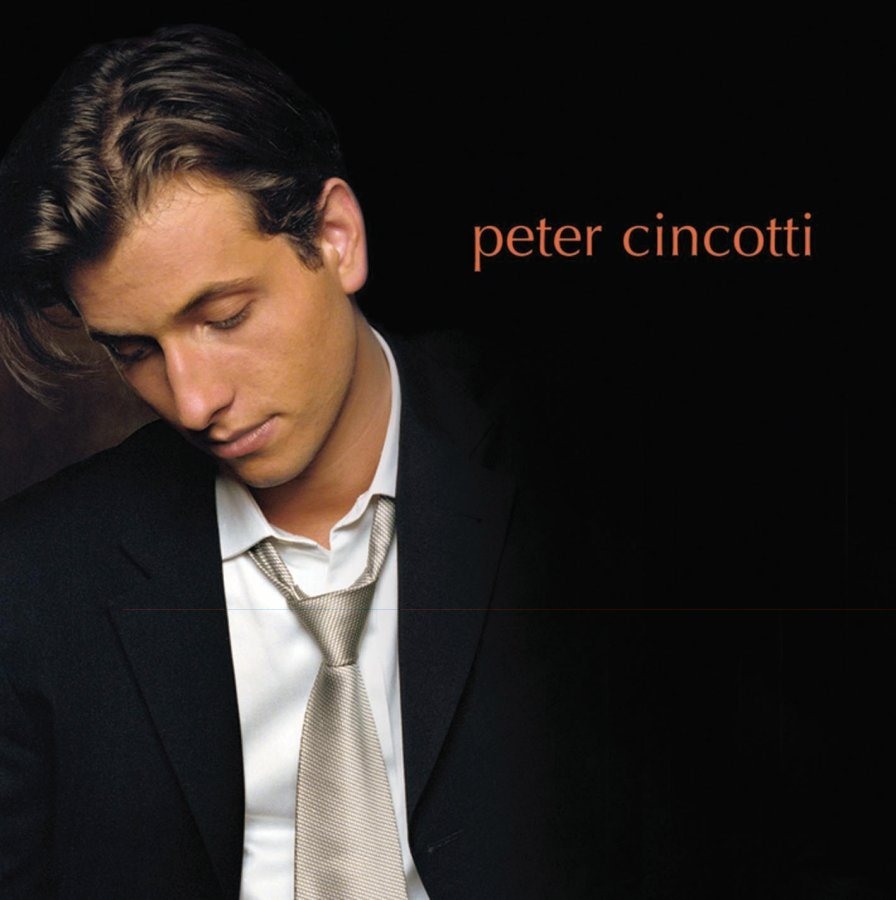
Peter Cincotti's rendition of "Miss Brown" isn't just a throwback; it's a carefully constructed performance of masculine affection, circa the Great American Songbook. The lyrics, originally penned by Leo Robin, Richard Whiting, and Ralph Rainger, paint a picture of a man both proud and possessive, introducing his 'baby' to the world with a wink and a warning. It's the kind of song where the subtext hums louder than the melody. The song's meaning resides in that tension: the public declaration of admiration versus the private claim of ownership. He knows 'her eyes will thrill ya,' but the playful threat—'don't you all get too familiar'—reveals a vulnerability beneath the bravado.
The repetition of 'She is baby to me' isn't merely a sweet sentiment; it's a staking of territory. Musically, Cincotti likely leans into the inherent charm of the era, but a modern listener can't help but hear the echoes of patriarchal control. This isn't necessarily a criticism, but an observation of how cultural lenses shape our interpretation. What might have been perceived as innocent adoration in its time now carries a heavier weight, prompting questions about the dynamics of power and affection.
Ultimately, the enduring appeal of "Miss Brown", especially through Cincotti's interpretation, lies in its ability to simultaneously embody and subtly question traditional notions of romance. Is it a celebration of love, or a carefully managed performance of it? Perhaps it's both, a complex and compelling portrait of a relationship viewed through the gauze of nostalgia and contemporary awareness. The song meaning, therefore, becomes less about the woman herself and more about the man's carefully curated presentation of her and their bond to the outside world.
 View Artist