Song Meaning
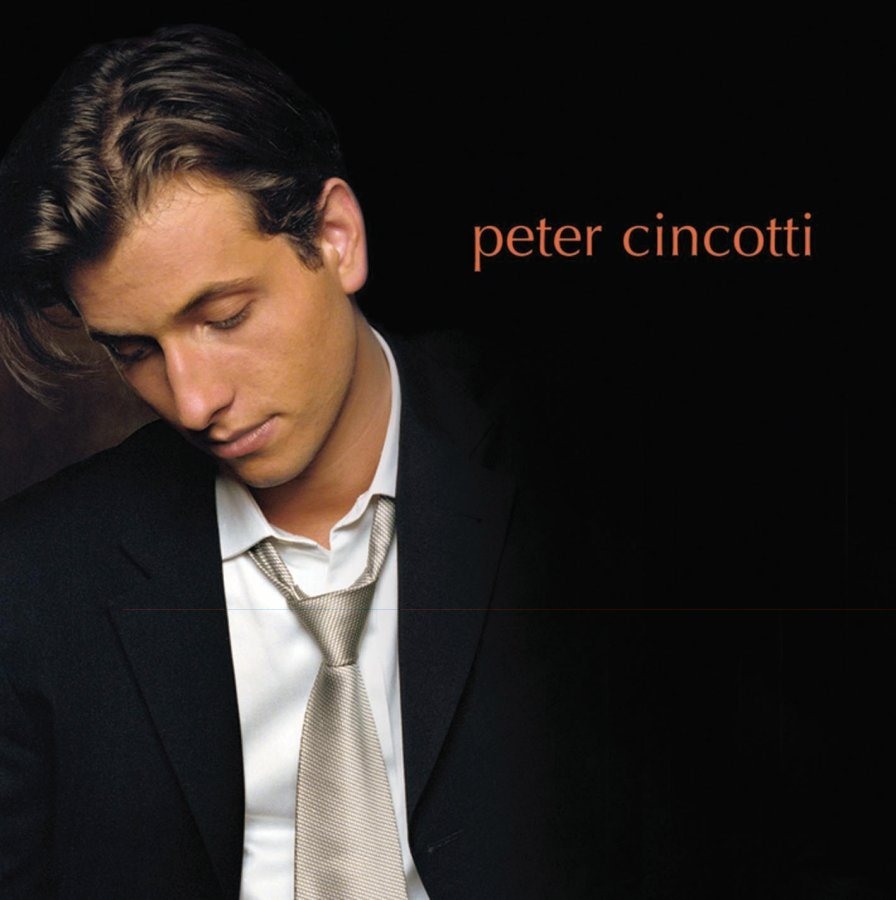
Peter Cincotti's rendition of "Comes Love" doesn't just revisit a jazz standard; it dissects the inevitability of love with a wry, almost fatalistic acceptance. The lyrics, a series of escalating metaphors, paint love not as a choice, but as an unavoidable force of nature, like a rainstorm or a fire. You can prepare for a downpour, replace a blown tire, but "Comes love / Nothing can be done." That repetition isn't romantic; it's resignation. It's the musical equivalent of a therapist shrugging. The song meaning resides in that tension: the contrast between manageable life problems, and the utter helplessness love induces. It's not about *finding* love, but about being *found* by it, whether you're ready or not. The lyrical choices create a sense of life happening *to* you, not *by* you.
The brilliance of the song lies in its understanding of human psychology. We crave control, we devise coping mechanisms, we build emotional shelters. But love, as Cincotti interprets it, laughs at these defenses. The bridge, with its warning-"Don't try hiding / It isn't any use"- serves as a direct address to the listener's ego, the part of us that believes we can outsmart our own hearts. The 'juice' represents raw emotion that the heart manufactures, and we start 'sliding' when the supply of the emotion is too great to stand firm. The verses build a fortress of rationality, only to have love dismantle it with a simple, repeated phrase.
Ultimately, "Comes Love" is a sophisticated exploration of vulnerability. It acknowledges the discomfort and loss of control that love entails. The final verses, referencing nightmares and depression, suggest that even the darkest aspects of the human experience are somehow manageable, except for this one thing. There may be something to the artist's delivery and lyrical interpretations that frames love as a sort of malady for which there is no cure. The song is a sardonic reminder that some forces are simply bigger than us, and sometimes, the only thing we can do is surrender.
 View Artist