Song Meaning
The lyrics paint a picture of someone wrestling with a deep-seated need for connection versus a learned independence. There's a palpable desire to "collapse into you," a raw vulnerability that feels almost involuntary. Yet, this impulse is immediately met with a barrage of self-doubt: "But I don't know if you want me to / Or, if I should?" This internal debate highlights a core tension between wanting to lean on someone and the pressure to maintain self-sufficiency.
The narrator questions their own capacity for independence, asking, "Shouldn't I be okay out here on my own? / Living in my little home?" The repetition of "on my own" and "by myself" emphasizes a conscious effort to project an image of self-reliance, perhaps as a defense mechanism. This contrasts sharply with the earlier admission of wanting to "collapse into you," revealing a conflict between a desired state of being and a perceived obligation to be "okay" alone.
The writing cleverly uses the metaphor of "hugging a tree" to articulate the grounding effect of this desired connection. It's not a passionate embrace, but a fundamental need for stability, likening the other person to "part of the earth that helps balance me." This imagery suggests a desire for a foundational, almost elemental support system, moving beyond fleeting affection to something more essential for equilibrium.
Ultimately, the effectiveness of these lyrics lies in their honest portrayal of this push-and-pull. The narrator isn't just expressing loneliness; they're articulating the internal conflict of wanting intimacy while simultaneously questioning its validity or their right to it. The simple, direct language makes the struggle feel immediate and relatable, capturing that universal human experience of needing to be held, even when you're trying your hardest to stand tall.
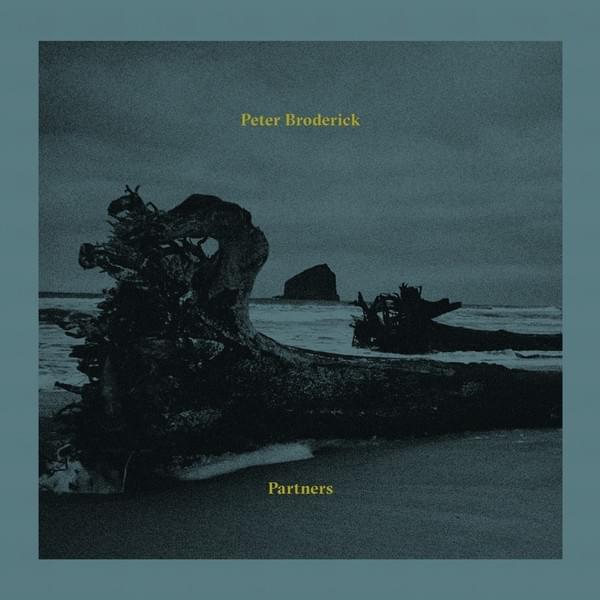
 View Artist