Song Meaning
The lyrics paint a stark picture of manufactured existence, beginning with a sense of confinement and unnatural growth. The narrator describes "feathers and a cage too small," immediately establishing a feeling of being trapped and restricted. This is juxtaposed with "chemicals that make us tall," suggesting an artificial, forced development that feels inherently wrong. The dominant emotional tone is one of deep unease and a desperate yearning for something authentic, even if that authenticity is violent.
The central tension arises from the narrator's internal conflict between a desire for escape and the crushing reality of their controlled environment. The repetition of "too fast" and "always pain" underscores a sense of relentless, overwhelming pressure. This manufactured world, with its "artificial sunlight" and "perfectly calibrated year," offers no genuine solace, only a hollow imitation of life. The narrator's violent fantasies, like seeing a "face in a frying pan," emerge as a desperate, albeit disturbing, expression of this profound dissatisfaction and a wish to break free from the imposed order.
The most striking craft element is the surreal, visceral imagery that emerges from this oppressive setting. The phrase "human eyeballs on toast" is a shocking, almost Dadaist image that encapsulates the narrator's alienation and the grotesque nature of their perceived reality. This disturbing fantasy is then directly contrasted with the narrator's own physical violation: "when they seared off my beak." This act of mutilation highlights their vulnerability and the extent to which they have been altered, leading to the bleak realization of their own "weak" state.
Ultimately, the effectiveness of these lyrics lies in their unflinching portrayal of a soul crushed by external forces. The narrator's contemplation of suicide, wishing for a "bigger brain" to "take my own life," reveals the depth of their despair. The final lines, "My altered life is the worst miracle," powerfully convey a sense of profound regret and the tragic irony of a life that has been reshaped into something unrecognizable and unwanted, a "peanut can't imagine" a different fate.
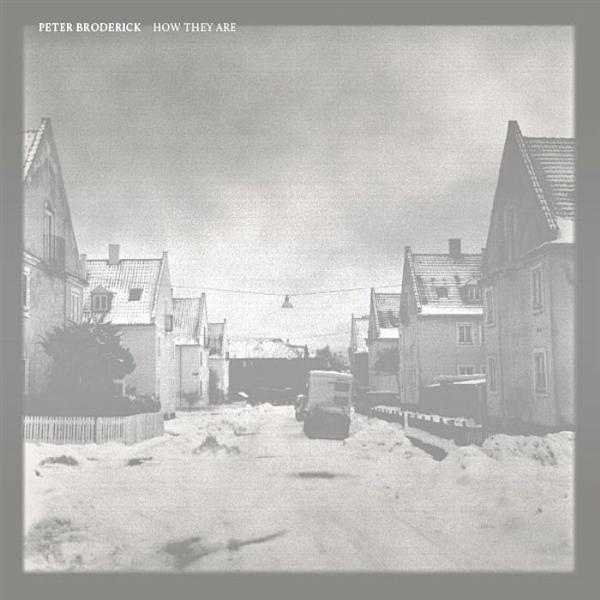
 View Artist