Song Meaning
{"song_id": 11614607, "meaning": "Pete Yorn's \"Walking Up\" captures the fraught emotional territory of a relationship on the brink. The song's inherent tension stems from a push-pull dynamic, a power struggle masked as intimacy. The opening lines suggest a pre-existing narrative of deception and perhaps manipulation (\"Play me a fool\"), hinting at a lover who feels both underestimated and discarded (\"Too strong to love, just throw me out\"). This sets the stage for the central image of the song: the walk to the room, a recurring motif that symbolizes both anticipation and dread. Each step is weighted with the possibility of reconciliation or, more likely, finality. The repetition amplifies the anxiety, turning a simple act into a ritualistic approach to a personal reckoning.
The lyrics weave a complex tapestry of vulnerability and guardedness. Yorn sings of \"everlasting\" and \"ever trying,\" revealing a desire for enduring connection, yet this yearning is immediately undercut by the line, \"Because you're another girl I don't know too well.\" This suggests a pattern of fleeting relationships, a fear of true intimacy masked by a detached cynicism. The phrase \"Setting a trap / Set me on fire\" indicates a destructive cycle of attraction and self-sabotage. The speaker seems aware of the game being played, yet remains drawn into its flames, suggesting a deeper, perhaps subconscious, need for emotional validation, even if it comes at a painful cost.
Ultimately, \"Walking Up\" is a study in emotional ambivalence. The repeated line, \"Maybe for the last time,\" underscores the precariousness of the situation. Is this the final attempt at salvaging something broken, or a surrender to the inevitable? The concluding sentiment, \"Babe it ain't no big surprise,\" suggests a weariness, a resignation to the cyclical nature of these encounters. The song doesn't offer easy answers or resolutions. Instead, it invites us to inhabit the uncomfortable space between hope and despair, recognizing the universal struggle to navigate the complexities of human connection."}
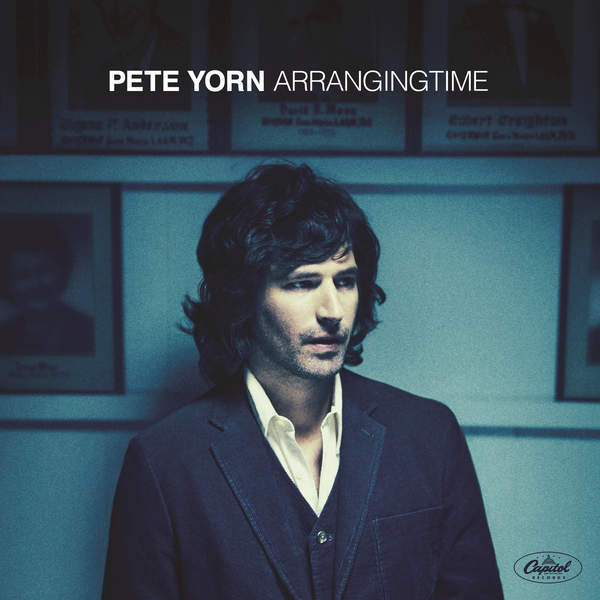
 View Artist