Song Meaning
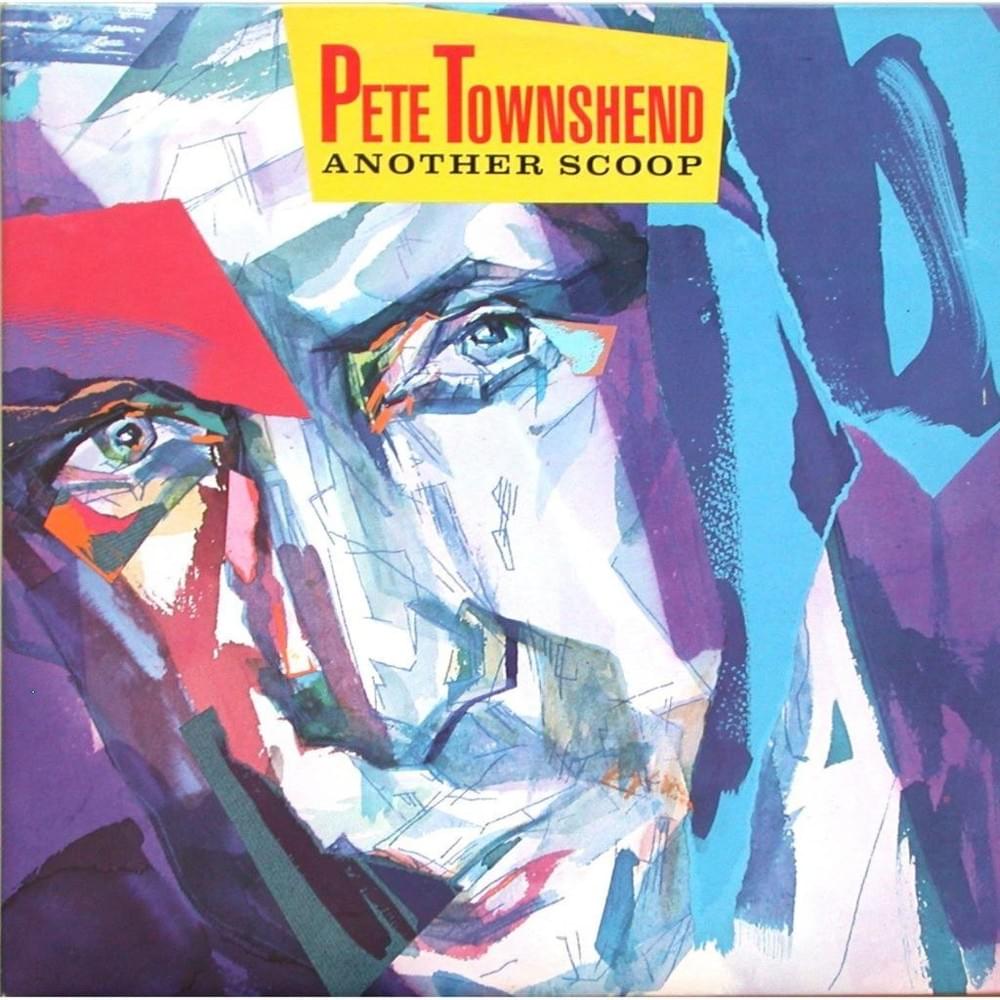
Pete Townshend's interpretation of "Driftin' Blues" isn't merely a cover; it's a stark existential meditation delivered with raw vulnerability. The titular blues aren't just a feeling; they're an inescapable condition, a solitary confinement cell bobbing on a vast, indifferent ocean. The opening lines, "I'm drifting and drifting, like a ship out on the sea," immediately establish the central metaphor: a life adrift, devoid of purpose or direction. This isn't the romanticized wandering of a Kerouac protagonist; it's a desperate plea echoing from a vessel with no captain and no crew. The sea, traditionally a symbol of freedom, becomes a prison of loneliness. The song meaning here shifts from personal sorrow to a broader commentary on human isolation. Townshend's vocal delivery, weathered and world-weary, amplifies this sense of profound disconnection.
The absence of a captain and crew highlights the self's abandonment. There's no leadership, no camaraderie, only the relentless push and pull of the tide – fate dictating every movement. The line "Doin' that tide dare blow me,thier my passing few to do" suggests a surrender to external forces, a passive acceptance of whatever the world throws his way. But within this resignation lies a flicker of hope, a desperate search for meaning amidst the chaos. This search is the core of the song's psychological weight.
The final verse introduces the possibility of salvation, albeit a darkly ironic one: "I look around for a savior, who saves me from the hungry sea/Maybe he's down at the bottom, waiting patiently for me." This isn't a conventional religious plea; it's a grappling with mortality and the potential for redemption found only in oblivion. The "hungry sea" becomes a metaphor for the void, and the savior lurking at the bottom suggests that perhaps the only escape from the pain of existence is to embrace its ultimate end. This is a complex and unsettling notion, delivered with the unflinching honesty that defines Townshend's best work. The song isn't just about feeling lost; it's about confronting the very real possibility that we are, in fact, utterly alone.
 View Artist