Song Meaning
Pete Townshend's "Behind Blue Eyes" isn't just a rock anthem; it's a raw psychological portrait of a man wrestling with inner demons, cloaked in the guise of the misunderstood villain. The song meaning delves into the isolation and self-loathing experienced by someone perceived as "the bad man." Townshend uses the repeated phrase "No one knows what it's like" to hammer home the chasm between outward appearance and inner turmoil. The "blue eyes" become a mask, concealing a well of sadness and anger that the protagonist believes is unique to him. It speaks to the universal human desire to be seen and understood, even – or perhaps especially – when burdened by negative emotions. The genius of the song lies in its ability to make the listener empathize with someone who readily admits to being consumed by vengeance. This admission offers a glimpse into a wounded psyche, craving connection but pushing others away with displays of anger.
"My love is vengeance / That's never free" is a particularly telling line, revealing the self-destructive nature of holding onto resentment. The protagonist recognizes that this desire for revenge comes at a personal cost, trapping him in a cycle of loneliness and bitterness. The lyrics hint at a deep-seated insecurity, a fear of vulnerability that leads to defensive behavior. He bites back hard on his anger, but this suppression only exacerbates the internal pressure. The plea for intervention – "When my fist clenches, crack it open / Before I use it and lose my cool" – is a desperate cry for help, a recognition that he is losing control. It suggests a desire to break free from the destructive patterns that define him, but he lacks the inner resources to do so alone.
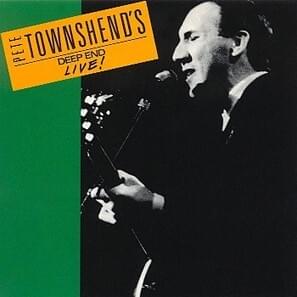
Ultimately, "Behind Blue Eyes" is a powerful exploration of the human condition, highlighting the complexities of anger, isolation, and the yearning for redemption. The vulnerability exposed in the latter verses, where he begs for someone to "put your finger down my throat" if he swallows anything evil, exposes a profound sense of powerlessness. The live version amplifies this sense of immediacy and rawness, making the listener feel as though they are witnessing a private confession. This song isn't about excusing bad behavior; it's about understanding the pain that drives it. It's a reminder that even the most hardened exterior can conceal a fragile interior, desperate for connection and release.
 View Artist