Song Meaning
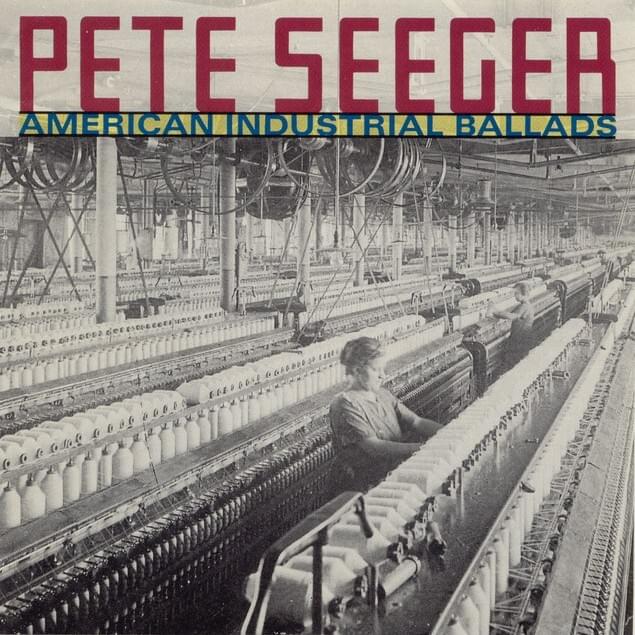
{"song_id": 14429745, "meaning": "Pete Seeger's \"Winnsboro Cotton Mill Blues\" isn't just a song; it's a sonic scream from the depths of industrial exploitation. The blues, in this context, transcends personal heartbreak, becoming a collective lament for the dehumanizing conditions of early 20th-century textile mills. The seemingly simple lyrics paint a brutal picture of relentless labor and a system rigged against the working class. The opening lines, dripping with disdain for \"ol' man seargent,\" immediately establish the antagonistic relationship between management and labor. This supervisor, so callous he'd steal from the dead for personal indulgence, embodies the cold, profit-driven heart of the mill. The mention of Tom Watson, a historical figure known for his controversial views and association with the mill, adds another layer of historical and social commentary.
The repeated refrain, \"I got the blues, I got the Winnsboro cotton mill blues,\" hammers home the pervasiveness of this despair. It's not a fleeting sadness, but a deep-seated malaise born from oppressive work. The line \"spoolin's hard\" might seem straightforward, but it speaks volumes about the physical and mental toll exacted by repetitive, demanding tasks. The dark humor in the request to be hung on the schoolroom wall with a bobbin in hand after death is particularly poignant. It’s a desperate, almost sarcastic, wish to continue working even in the afterlife, underscoring the inescapable nature of their economic servitude.
Ultimately, the song meaning resides in its stark portrayal of systemic injustice. It's a powerful indictment of a system where workers are reduced to expendable cogs in a machine, their humanity sacrificed for the sake of profit. Seeger doesn't offer solutions or platitudes; he simply lays bare the raw, agonizing reality of life in the Winnsboro cotton mill, ensuring that their blues resonate long after the last note fades."}
 View Artist