Song Meaning
{"song_id": 14429723, "meaning": "Pete Seeger's \"Those Three Are on My Mind\" is less a song than a haunting lament, a stark meditation on loss, injustice, and the enduring power of memory. The repeated refrain, \"Those three are on my mind,\" acts as both a eulogy and an accusation, a refusal to let unnamed victims fade into the anonymity of history. Seeger doesn't offer narrative specifics; instead, he paints impressionistic sketches of the deceased—Andy in the \"cold wet clay,\" young James in \"mortal pain,\" dark-eyed Michael with his bride—allowing listeners to project their own understanding of tragedy onto the song's minimalist framework. The ambiguity amplifies the emotional impact, transforming personal grief into a universal cry for accountability. The song's power rests in its deliberate simplicity.
The lyrics subtly shift from mourning to simmering anger. Seeger directly confronts the \"killers,\" questioning their conscience and their ability to find peace. This direct address is not a call for vengeance, but a plea for recognition, a demand that the perpetrators acknowledge the human cost of their actions. The imagery of \"tin roof shanties\" and \"burnt out churches\" suggests a community scarred by violence and oppression, yet clinging to a spirit of forgiveness. The juxtaposition of suffering and resilience underscores the complexity of the human condition in the face of trauma. It's a testament to the enduring strength of the human spirit, even when confronted with unspeakable horrors.
The final verse introduces a historical echo, referencing Tom Paine and the \"price of liberty.\" This elevates the song beyond a simple act of remembrance. The question of whether the courthouse was burned alongside \"those three\" implies a systemic corruption, a suggestion that the pursuit of justice itself has been compromised. \"Those Three Are on My Mind\" becomes a potent symbol of the ongoing struggle for equality and freedom, a reminder that the fight for a better world is inextricably linked to the memories of those who have been sacrificed along the way. It's a powerful, unforgettable song about the burden of memory and the enduring quest for justice."}
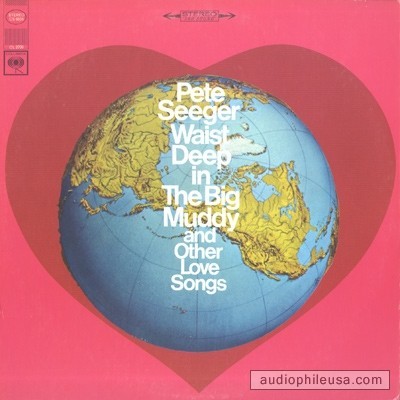
 View Artist