Song Meaning
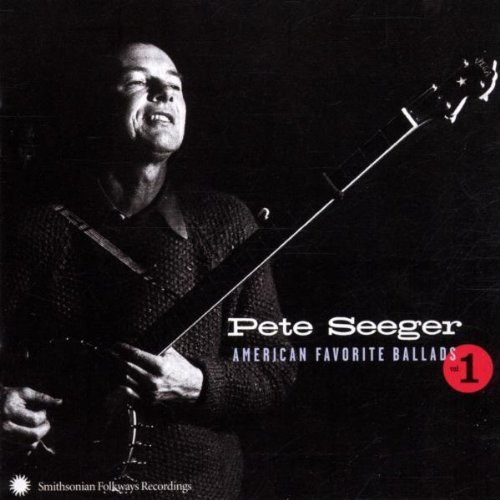
Pete Seeger's rendition of "The Wreck of the Old '97" isn't just a simple train disaster ballad; it's a chilling meditation on man versus machine, corporate pressure, and the fragile nature of life. The song immediately throws us into the high-stakes world of railroad work, where Steve, the engineer, receives an impossible order: make up lost time at any cost. This sets the stage for a tragedy born not of malice, but of systemic demands that prioritize speed over safety. The lyrics, stark and economical, highlight the dehumanizing effect of such pressures, reducing Steve to a cog in the machine, driven to his death by the relentless pursuit of efficiency. The imagery of the "black, greasy fireman" shoveling coal further underscores the grueling physical demands and the class dynamics inherent in this industrial landscape.
Beyond the literal depiction of the train wreck, the song delves into deeper psychological territory. Steve's commitment to his duty, even in the face of obvious danger ("going down a grade making 90 miles an hour"), speaks to a deeply ingrained work ethic and a willingness to sacrifice oneself for the sake of the job. Is it bravery, or a form of self-destructive compulsion fueled by the weight of expectation? The broken whistle's "scream" is a primal cry of warning, a desperate attempt to avert the inevitable, but it's ultimately drowned out by the momentum of the speeding train. The image of Steve found "with his hand on the throttle" is particularly haunting, suggesting a man who remained in control until his final, agonizing moment.
Finally, the concluding verse, seemingly tacked on, shifts the focus to the wives and lovers left behind, cautioning them against harsh words. This abrupt change in perspective feels jarring, yet it underscores the ripple effect of such a tragedy. The "poor boy" refrain serves as a lament, not just for Steve, but for all those whose lives are irrevocably altered by the whims of fate and the relentless march of progress. "The Wreck of the Old '97," in Seeger's capable hands, becomes a timeless cautionary tale about the human cost of ambition and the ever-present specter of mortality.
 View Artist