Song Meaning
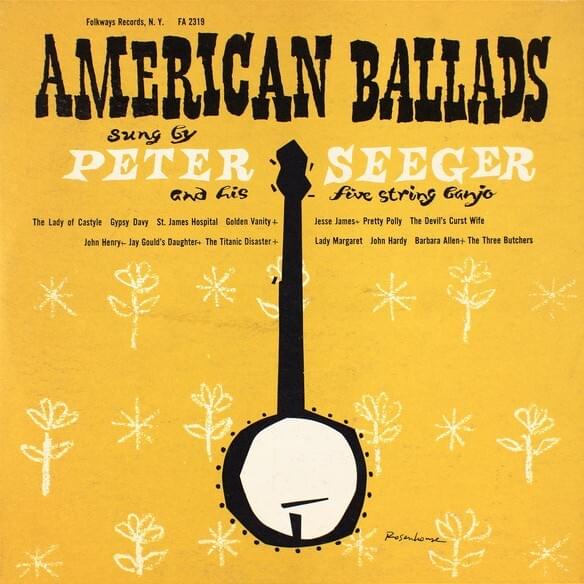
Pete Seeger's rendition of "St. James Hospital" (often known as "St. James Infirmary Blues") is less a specific narrative and more a raw, archetypal expression of grief, loss, and the darkly humorous coping mechanisms we employ when facing the void. The song, steeped in the blues tradition, plunges us into the immediate aftermath of a devastating discovery: the narrator's lover, lying dead in a hospital, stripped bare of life and warmth. The opening scene in a bar, with "drinks served as usual," highlights the jarring contrast between the mundane world continuing its course and the narrator's personal apocalypse. Joe McKenney's bloodshot eyes serve as a mirror, reflecting the narrator's own internal state, foreshadowing the pain to come. This isn't a tale of romance; it’s a brutal confrontation with mortality.
The lyrics analysis reveals a stark portrayal of shock and denial. The narrator's visit to the doctor, the clipped pronouncement of "She's mighty low," feels almost bureaucratic in its coldness, a stark counterpoint to the overwhelming emotional reality. The repetition of "cold, so white, so bare" emphasizes the dehumanizing nature of death, stripping away not only life but also identity and warmth. The instruction to "Let her go, let her go god bless her / Wherever she may be" is not necessarily acceptance, but rather a desperate attempt to compartmentalize the pain, to push it away into the realm of the unknown. The narrator acknowledges the irreplaceable nature of the lost love, understanding that they will never find someone else that fulfills their needs.
Ultimately, the song's enduring power resides in its unflinching honesty about how we try to negotiate with death. The final verse, detailing the narrator's desired burial, is a macabre exercise in control. The "long, black coat and silk hat," the "twenty dollar gold piece," are not signs of wealth or status in the traditional sense, but rather totems against oblivion. They are a defiant assertion of self in the face of annihilation, a way to "stand fat" before the "good Lord," bargaining with a higher power even in death. The song meaning is about the universality of loss and the strange, often contradictory, ways we attempt to make sense of it.
 View Artist