Song Meaning
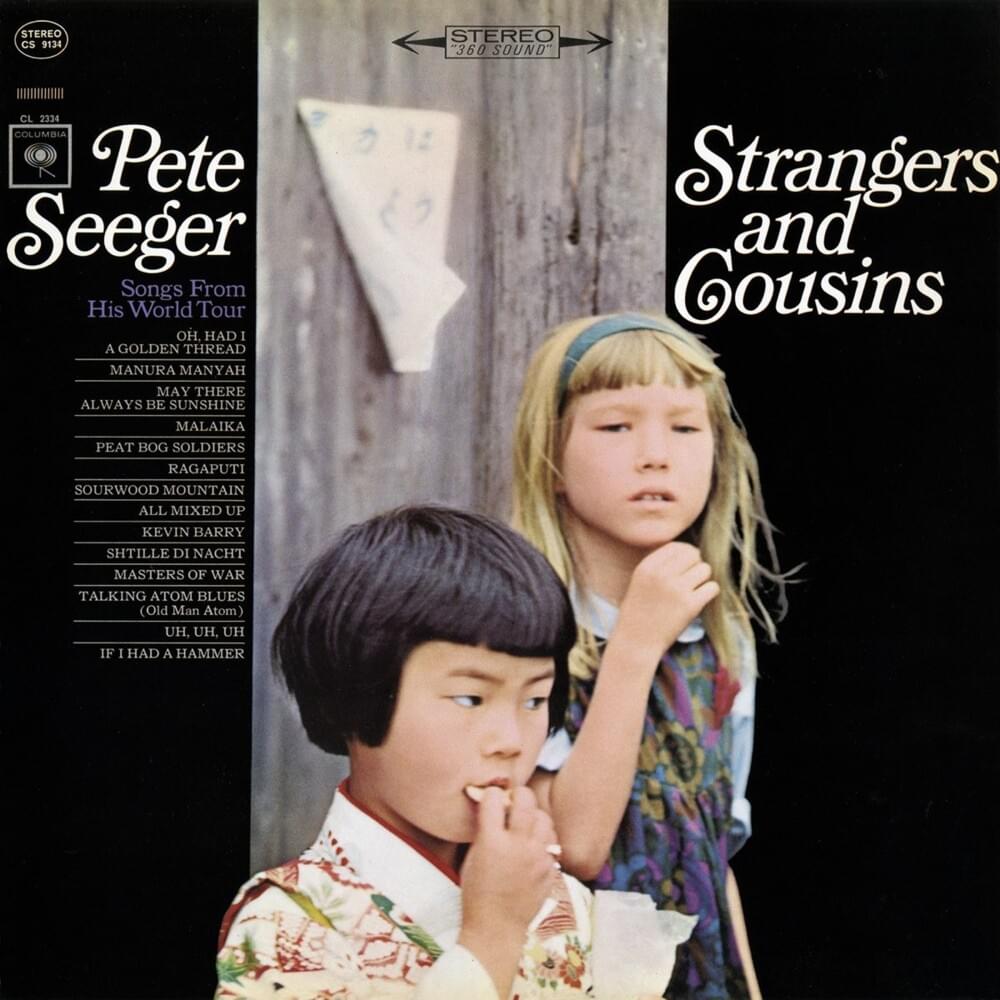
Pete Seeger's rendition of "Sourwood Mountain," a traditional Appalachian folk song, isn't just a simple ditty; it's a layered, somewhat wry, exploration of desire, inertia, and the battle of the sexes. The recurring refrain, "Hey, ho, diddle-um day," provides a deceptively lighthearted backdrop to themes that are surprisingly complex. While the surface reads as a lovesick lament, a deeper dive reveals a protagonist wrestling with his own passivity. He pines for his "blue-eyed daisy," yet confesses, "She won't come and I'm too lazy." This isn't the fiery passion of a romantic hero; it's a portrait of longing tinged with a self-aware, almost comical, reluctance to act. Is he truly heartbroken, or is he more comfortable with the *idea* of unrequited love? The lyrics hint at a certain ambivalence, a comfortable stagnation.
The verses introduce other intriguing elements. The couplet about the big dog and the little dog subverts expectations. It's not the powerful who are dangerous, but the seemingly insignificant. This idea subtly mirrors the singer's own situation – he may appear harmless, but perhaps his inaction is a form of quiet resistance or even manipulation. The geographical references – "head of the holler," "over the river" – suggest both proximity and distance, further emphasizing the push-and-pull dynamic of the relationship. He knows where to find her, yet obstacles, real or imagined, keep them apart.
Finally, the seemingly random verse about ducks, geese, and devils throws a curveball. "Devil's in the women if they take a notion" is a starkly misogynistic sentiment, but also possibly a commentary on the perceived unpredictability and power of women. It suggests that the singer's "laziness" might stem from a fear of female agency. He projects blame onto the object of his affection rather than confront his own emotional limitations. "Sourwood Mountain", therefore, transcends a straightforward love song, becoming a sly commentary on the complexities of human relationships, the inertia of desire, and the often-humorous ways we avoid taking responsibility for our own happiness.
 View Artist