Song Meaning
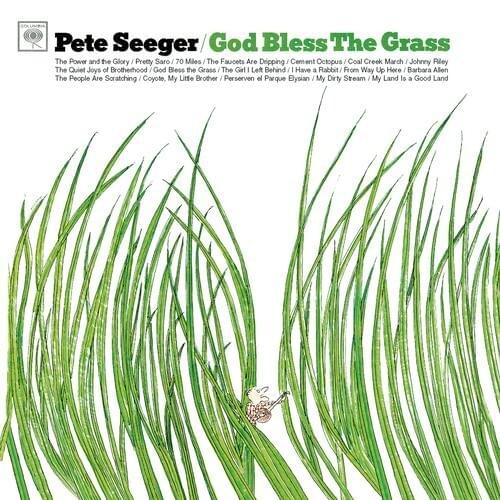
Pete Seeger's rendition of "Pretty Saro" is a masterclass in understated heartbreak, a folk lament echoing through hollowed-out spaces of longing and economic disparity. The song, at its core, explores the chasm between desire and possibility, a theme as relevant now as it was when the ballad first took root. The speaker, trapped "down in some lone valley," isn't just geographically isolated; he's emotionally and economically marooned, separated from the object of his affection by the cold, hard reality of class. Saro desires a "freeholder," a man of property, and the singer freely admits his inadequacy: he has "no land," no means to provide the material comforts she seeks. It’s a brutal acknowledgment of the way societal structures dictate even the most intimate aspects of our lives.
The beauty of "Pretty Saro" lies in its stoic acceptance. There's no anger, no resentment, just a quiet resignation to fate. The singer doesn't rail against the unfairness of it all. Instead, he internalizes his pain, retreating into a dreamscape where he can possess Saro, if only in his mind. The repeated line, "And I'll dream of Pretty Saro wherever I go," becomes both a comfort and a curse, a reminder of what he cannot have and a testament to the enduring power of his love. It's a love fueled by absence, intensified by impossibility.
Even the natural imagery reinforces the song's themes of isolation and unfulfilled longing. The "lone valley" and the "wild birds" create a sense of desolate beauty, a world indifferent to the singer's plight. His inability to "write a fine hand" further underscores his social limitations, highlighting the barriers that prevent him from even expressing his love in a tangible way. Ultimately, "Pretty Saro," as interpreted by Seeger, is a powerful meditation on the ways in which economic and social realities can shape our desires and dictate the course of our lives, leaving us to wander by the river, forever dreaming of what might have been.
 View Artist