Song Meaning
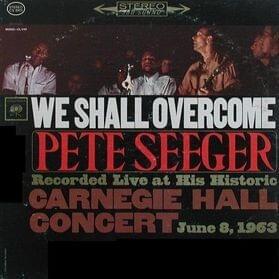
{"song_id": 14429981, "meaning": "Pete Seeger's rendition of \"Oh, Freedom\" is more than just a folk song; it's a primal scream against oppression, distilled into its most potent form. The song's meaning resonates far beyond its simple structure, tapping into the deepest wells of human longing for liberation. The repetition of \"Oh Freedom\" acts as both a mantra and a rallying cry, its simplicity belying the profound yearning for autonomy and self-determination. The lyrics, though stark, paint a vivid picture of the singer's unyielding commitment to freedom, even in the face of death. The willingness to be \"buried in my grave\" rather than live as a slave underscores the ultimate value placed on liberty. It's a sentiment echoed throughout history by those who have faced unimaginable adversity.
The genius of \"Oh, Freedom\" lies in its adaptability. Seeger, and those before him, understood that the song could be a vessel for various struggles. The inclusion of \"No more Prichett,\" a reference to a specific oppressor, demonstrates how the song can be localized and personalized to confront immediate injustices. Similarly, the line \"No more segregation\" broadens the scope, transforming the song into a powerful anthem for the Civil Rights Movement. The song isn't just about physical freedom; it's about the freedom from systemic oppression, from the psychological chains that bind individuals and communities.
Ultimately, the song's power resides in its unwavering hope. The phrase \"go home to my Lord and be free\" suggests that freedom is not merely an earthly pursuit but a spiritual one. It speaks to the belief that even in death, liberation can be achieved. This spiritual dimension elevates \"Oh, Freedom\" beyond a simple protest song, transforming it into a timeless testament to the enduring human spirit. The song's meaning, therefore, is a complex tapestry woven from threads of defiance, hope, and a profound belief in the inherent dignity of all people."}
 View Artist