Song Meaning
Pete Seeger's "Last Night I Had the Strangest Dream" isn't just a song; it's a fragile, hopeful prayer cast into the turbulent winds of history. Its power lies in its stark simplicity, a child-like vision of global consensus against war. The lyrics depict a world where the collective unconscious finally tips towards peace, symbolized by a signed agreement and shared gratitude. But the very title betrays the song's inherent tension: it's *only* a dream, "the strangest dream" at that, highlighting the perceived unlikelihood of such universal accord. The repetition of the opening verse reinforces this, a wistful return to fantasy after each brush with reality.
Seeger, a master of the subtly subversive, understands the potent psychology of shared dreams. The image of "women and men" filling a room to sign a peace accord speaks to a fundamental human desire for connection and safety. The act of signing, replicated and distributed, suggests a democratization of peace, a shift from top-down mandates to a groundswell of popular will. This is further amplified by the imagery of dancing in the streets, a spontaneous outpouring of joy and relief that signifies a release from the constant anxiety of conflict.
However, the discarded "swords and guns and uniforms" lying on the ground serve as a stark reminder of the ever-present potential for violence. They are relics of a past—and perhaps a future—that continues to haunt the present. The song's meaning, therefore, isn't just about the dream itself, but about the psychological distance between that dream and the waking world. It's a call to action, cloaked in the vulnerability of a dream, urging listeners to bridge that gap and actively work towards a world where such a vision might become reality. This analysis of "Last Night I Had the Strangest Dream" reveals it not as naive idealism, but as a psychologically astute commentary on the human capacity for both destruction and creation, and the urgent need to choose the latter.
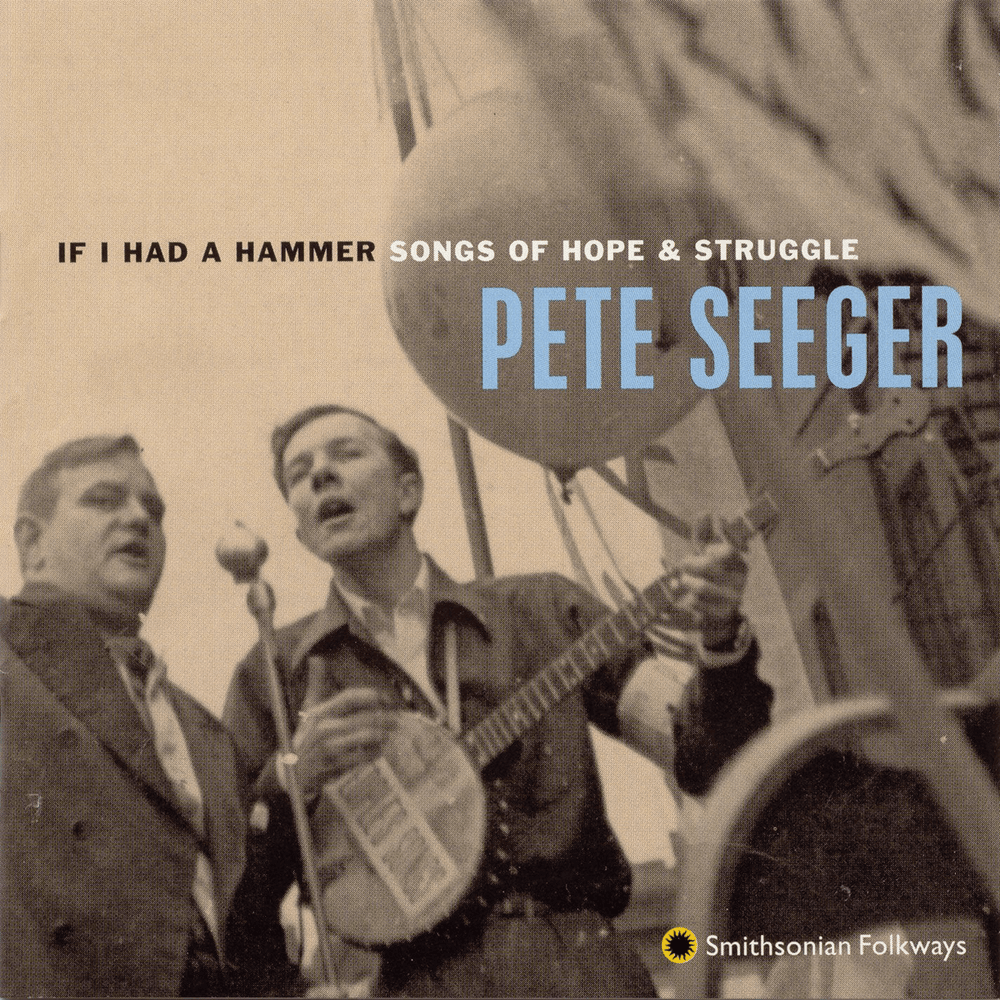
 View Artist