Song Meaning
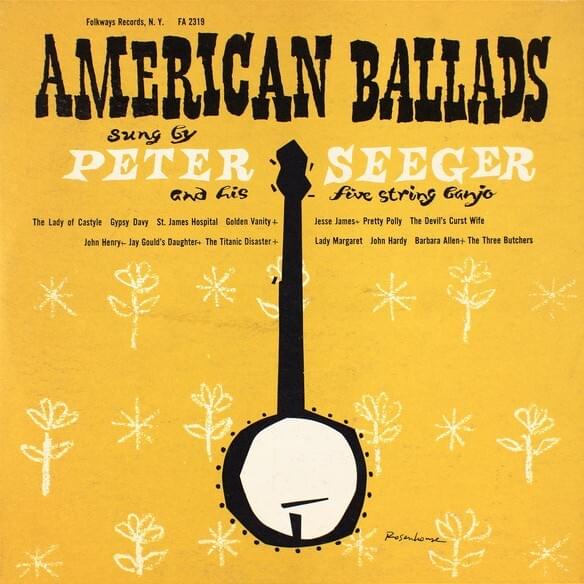
"Jay Gould's Daughter," popularized by Pete Seeger, isn't just a folk song; it's a barbed commentary on wealth, class, and the cold indifference of privilege. Sung from the imagined perspective of the dying daughter of railroad tycoon Jay Gould, the lyrics drip with a satirical darkness. Her request to "fix the blinds so the bums can't ride" isn't a plea for safety, but a callous desire to further insulate herself and her family from the suffering of the dispossessed – those forced to ride the rails out of desperation. The repeated refrain, "Let 'em put their trust in the hands of God," is a particularly biting indictment, suggesting that the wealthy see divine providence as a justification for their own fortune, while simultaneously washing their hands of any responsibility for the plight of the poor. This is class warfare distilled into a chilling nursery rhyme.
The subsequent verses, where Jay Gould indulges his daughter's whims for "two more trains I'd like to ride" and "two more drinks I'd like to try," only amplify the grotesque disparity between the Goulds' opulent world and the harsh realities faced by the hobos clinging to the outside of those very trains. The choice of "a glass o' water and a cup o' tea" as her final indulgences carries a quiet sting – even in death, she remains detached from the basic needs of survival that define the lives of those outside her gilded cage. The song's stark juxtaposition of her trivial desires against the backdrop of widespread poverty is a masterclass in understated social critique.
The final verses shift perspective, offering a glimpse into the lives of those Gould's daughter so casually dismisses. The image of "Hobo John" meeting his end, contrasted with the working-class fortitude of "Charlie Snyder" and his fireman, paints a portrait of resilience and camaraderie in the face of hardship. Yet, even this resilience is tinged with tragedy. The song's enduring power lies in its ability to expose the moral bankruptcy of unchecked wealth and the human cost of systemic inequality. "Jay Gould's Daughter" is not merely a historical artifact; it's a timeless reminder of the social divides that continue to plague our world.
 View Artist