Song Meaning
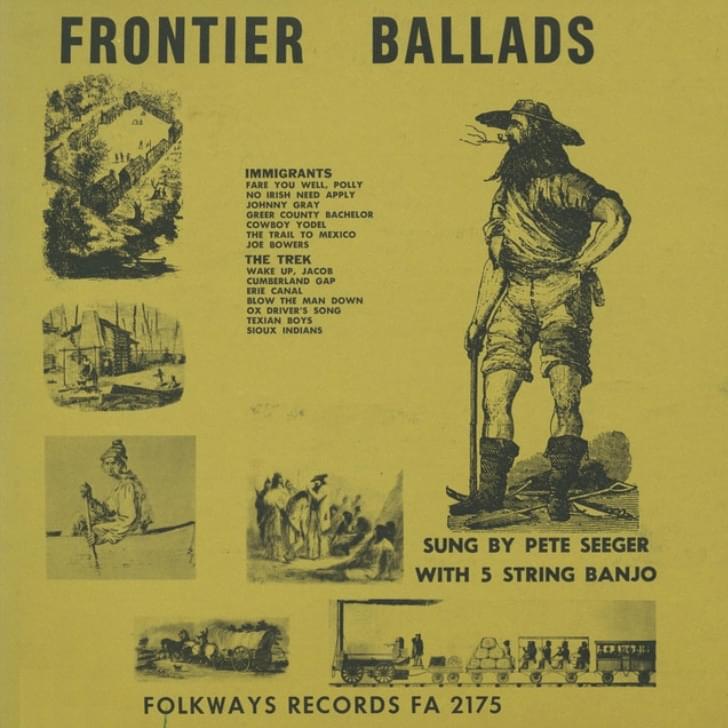
Pete Seeger's rendition of "Fare You Well Polly (Wagoner's Land)" mines the deep vein of early American folk, a stark narrative of love thwarted by social barriers. The song's simple structure belies the complex emotions at play, painting a picture of a couple caught between genuine affection and the rigid expectations of their community. It's a story as old as time: the poor suitor deemed unworthy, the disapproving parents, and the agonizing choice between societal acceptance and personal happiness. The opening stanza immediately establishes the singer's departure, not out of malice, but necessity – his very presence is a burden, even his horses unwelcome. This sets the stage for a deeper exploration of class conflict and the suffocating power of familial disapproval.
The core of the song meaning resides in the push and pull between material wealth and genuine love. Polly's parents represent the cold calculus of social climbing, valuing status over the emotional connection she shares with the singer. Polly, however, voices a different perspective, declaring, "it's your love I'm wanting, not silver or gold." This defiant statement is the heart of the song, a testament to the enduring power of love to transcend societal constraints. The offer to elope, to build a life together in a humble cabin, underscores their willingness to sacrifice comfort for authenticity. It's a romantic vision, yet tinged with the melancholy understanding that their path will be fraught with hardship.
But "Fare You Well Polly" isn't simply a romantic ballad. It carries a warning about the deceitful nature of those who prioritize appearances over substance. The final verse, with its stark pronouncements on false-hearted lovers who "tell you more lies than cross-ties on a railroad," introduces a cynical edge. The singer isn't just lamenting the loss of Polly; he's cautioning her against the allure of superficial charm and empty promises. This adds another layer to the song's meaning, suggesting that true love is not only about overcoming external obstacles but also about recognizing and avoiding internal pitfalls – the temptation to settle for a comfortable lie rather than fight for a difficult truth. Seeger's interpretation, imbued with his own social consciousness, transforms a simple folk song into a potent commentary on class, love, and the enduring struggle for authenticity.
 View Artist