Song Meaning
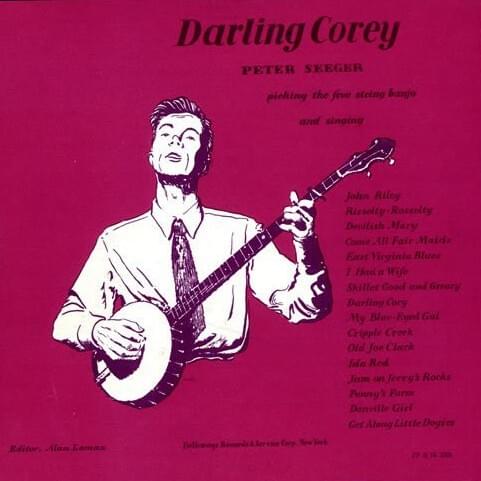
Pete Seeger's rendition of "East Virginia Blues" isn't just a geographical lament; it's a stark emotional cartography of longing and the quiet desperation of unrequited affection. The song, ostensibly a simple folk tune, burrows into the listener's psyche, exposing the raw nerve endings of romantic yearning. The narrator's journey from East Virginia to North Carolina becomes a metaphor for a quest, a search for connection that ultimately dead-ends in the frustrating ambiguity of a love that can never be fully possessed. The repeated opening verse underscores a circularity, a feeling of being trapped in a loop of desire and disappointment.
The lyrical imagery is deceptively potent. The "fairest maiden" is painted with broad, archetypal strokes – light-brown hair, ruby-red cheeks – elevating her to an almost mythical status. The lilies on her breast, a symbol of purity and, ironically, death, hint at the unattainable nature of this love. The narrator's longing to lay his head there isn't merely carnal; it's a yearning for solace, for a connection that transcends the physical. The contrast between the vibrant description of the woman and the narrator's internal despair creates a palpable tension, a sense of beauty forever out of reach.
But it's the stark declaration of the third verse that truly reveals the song's emotional core. The preference for a "dark hollow where the sun would never shine" over seeing the object of affection with another speaks volumes. It's a primal scream of possessiveness, a willingness to embrace isolation rather than endure the pain of rejection. This isn't a celebration of love; it's an admission of its destructive potential, its capacity to drive one into the shadows. In "East Virginia Blues," Seeger, through this traditional folk song, captures the universality of romantic pain, the bittersweet ache of wanting what one cannot have.
 View Artist