Song Meaning
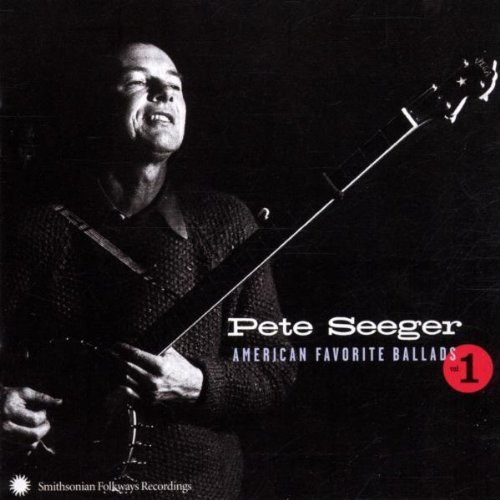
"Down in the Valley," popularized by Pete Seeger, isn't just a simple folk tune; it's a poignant meditation on longing, unrequited love, and the sting of abandonment. The opening lines immediately establish a sense of melancholy and vulnerability. The 'valley so low' symbolizes a state of emotional despair, a place where the singer is exposed and susceptible to the 'wind blow' – a metaphor for the harsh realities and whispers of doubt that plague a troubled heart. This feeling is compounded by the image of hanging one's head, a universal sign of dejection and defeat.
Beneath the surface simplicity of the lyrics lies a complex emotional landscape. The verse comparing roses and violets to the singer's love suggests a natural, almost inevitable affection. Yet, this idealized love is juxtaposed with the plea, 'If you don't love me, love whom you please,' revealing a deep-seated insecurity and a willingness to accept any form of connection, even if it means enduring the pain of rejection. The desire for a comforting embrace ('Throw your arms 'round me, give my heart ease') underscores the profound need for solace and validation in the face of emotional turmoil. The castle imagery reveals a yearning for visibility and recognition. This isn't about material wealth; it's about the desire to be seen and acknowledged by the object of affection, even from a distance.
The final verse introduces a darker, more troubling element: 'Birmingham Jail.' This stark image suggests a situation far beyond simple heartbreak. It implies a separation caused by circumstance, possibly imprisonment or some other form of societal constraint. The request to 'Write me a letter, send it by mail, send it in care of Birmingham Jail' transforms the song from a personal lament into a broader statement about isolation, injustice, and the enduring power of hope in the face of adversity. The 'Birmingham Jail' reference adds a layer of social commentary, subtly hinting at the struggles for justice and equality that were prevalent during Seeger's time, making the song a powerful testament to the resilience of the human spirit even in the darkest of times.
 View Artist