Song Meaning
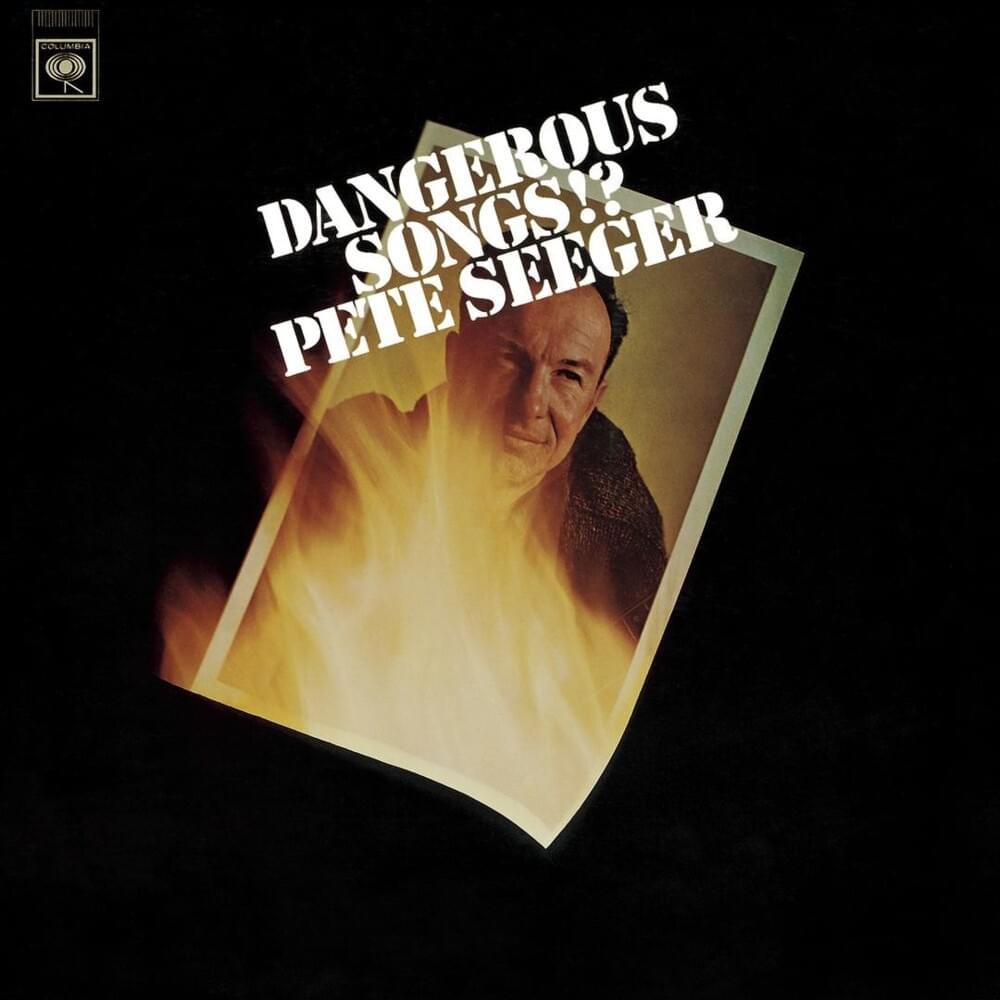
Pete Seeger's rendition of "Die Gedanken Sind Frei" transcends a simple folk song; it's a defiant, almost primal scream against oppression. The title, translating to "Thoughts are Free," isn't just a statement, it's a declaration of inner sovereignty. The lyrics analysis reveals a core theme: the unassailable nature of individual thought. It posits that even within physical confinement, the mind remains a boundless landscape, ungovernable by external forces. This resonates deeply with the psychological concept of cognitive freedom, the inherent human need to control one's own mental processes and beliefs. Seeger, known for his activism, weaponizes this idea, turning a centuries-old German poem into a timeless anthem for resistance.
The verses explore the personal joy and moral imperative derived from this mental liberty. The lyrics, "I think as I please / And this gives me pleasure / My conscience decrees / This right I must treasure," highlight the deeply personal connection to free thought. It's not merely an abstract right, but a source of profound individual satisfaction and ethical grounding. The repeated assertion, "No man can deny / Die Gedanken sind frei," acts as a mantra, a constant reaffirmation of this unbreakable internal reality. There’s a quiet, steely resolve in these words, a refusal to be cowed by authority. The song's power lies in its understanding that physical control is meaningless if the spirit remains unconquered.
The final verse confronts the specter of tyranny head-on. Imprisonment, a symbol of absolute control, is rendered impotent against the force of free thought. "Tyrants can take me / And throw me in prison / My thoughts will burst forth / Like blossoms in season" is a powerful image of resilience. Even as "foundations may crumble / And structures may tumble," the song insists that the idea of freedom, once unleashed, cannot be contained. "Die Gedanken Sind Frei" therefore becomes more than just a folk tune; it's a psychological blueprint for survival under oppression, a reminder that the most potent form of resistance often begins within the confines of one's own mind.
 View Artist