Song Meaning
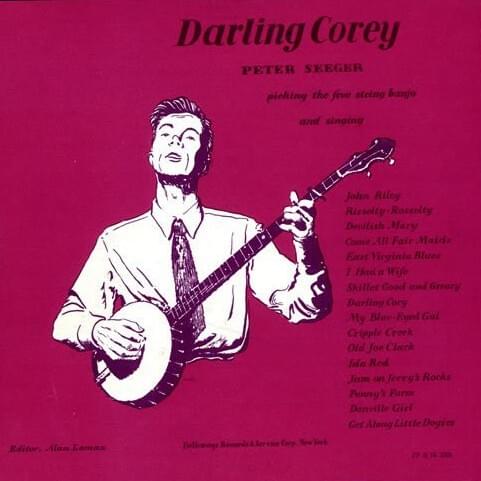
Pete Seeger's rendition of "Darling Corey" is less a straightforward narrative and more a haunting tableau of Appalachian anxieties and desires. The song meaning coils around the figure of Corey, who is simultaneously alluring and dangerous, a woman armed with both a banjo and a .44, embodying a potent blend of music and violence. She's not just a woman; she's a symbol of the intoxicating, destructive forces at play in a hardscrabble life. The repeated warnings to Corey, interwoven with images of moonshine stills and revenue officers, paint a picture of a community living on the edge, constantly threatened by both external forces and their own self-destructive tendencies. Corey becomes a scapegoat, a figure onto whom the singer projects his own failings and fears.
The lyrics analysis reveals a deep ambivalence towards Corey. The singer implores her to leave, claiming her liquor has ruined his body and her beauty has addled his mind. Yet, this rejection is tinged with a fatalistic acceptance. The digging of the grave and the mournful bluebirds suggest a preordained tragedy, a sense that Corey's fate – and perhaps the singer's own – is sealed. The imagery evokes a raw, almost primal connection to the land, where death is an ever-present reality and the line between love and destruction blurs. The song isn't simply about a woman; it's about the larger forces that shape human destiny.
Ultimately, "Darling Corey" resonates because it taps into the archetypal tension between desire and destruction. Corey represents a potent, untamable force that both attracts and repels. Her demise, whether literal or metaphorical, serves as a cautionary tale about the dangers of succumbing to temptation and the inevitability of facing the consequences of one's choices. The final verse, with its reluctant defiance – "I ain't no man for fightin' / But I'll die before I run" – underscores the sense of resignation and doomed heroism that permeates the song, transforming a simple folk ballad into a profound meditation on life, death, and the human condition.
 View Artist