Song Meaning
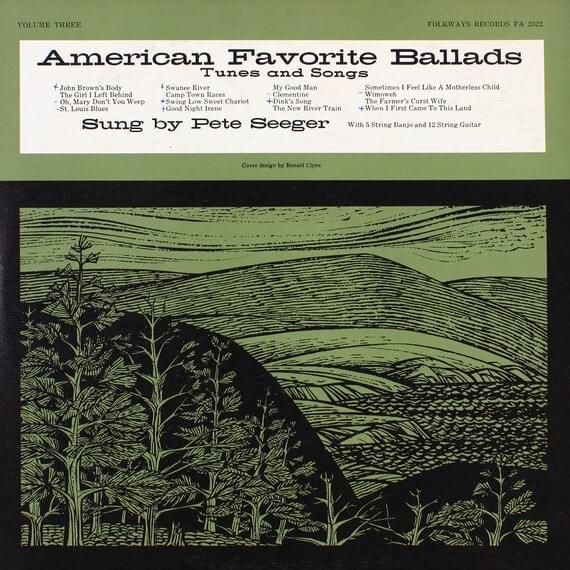
Beneath the surface of "Camptown Races," Pete Seeger, with an almost unsettling lightness, excavates the peculiar optimism of the working man tethered to a rigged game. The lyrics, ostensibly a simple celebration of a horse race, become something far more complex when viewed through a critical lens. The narrator's journey, marked by a "hat caved in" and a hopeful anticipation of returning "home with my pocket full of tin," speaks to a cycle of hardship and aspiration deeply embedded in the American psyche. It's a portrait of resilience, yes, but also a quiet indictment of a system that perpetually dangles the promise of reward just out of reach. The "doo-dah day" refrain, repeated with almost manic enthusiasm, feels less like joy and more like a coping mechanism.
The recurring motif of gambling on the "bobtail nag" against the "bay" horse introduces a central tension: the illusion of choice within a predetermined system. The narrator's unwavering faith, despite the odds, highlights a common human tendency to find agency even in situations where control is limited. The five-mile racetrack symbolizes not just the distance of the race, but also the arduous journey towards economic stability, a journey often fueled by little more than blind hope and the camaraderie of fellow sufferers. Seeger masterfully uses the seemingly innocent backdrop of a horse race to expose the underlying anxieties and aspirations of a society grappling with inequality.
Ultimately, Pete Seeger's rendition of "Camptown Races" is not simply a folk tune but a shrewd observation of human behavior under economic pressure. The "Camptown ladies" singing adds another layer, their voices perhaps representing the collective hope and resilience of a community bound together by shared circumstances. The song's enduring appeal lies in its ability to capture the bittersweet reality of chasing dreams in a world where the game is often stacked against you, and the "doo-dah day" becomes both a celebration and a lament.
 View Artist