Song Meaning
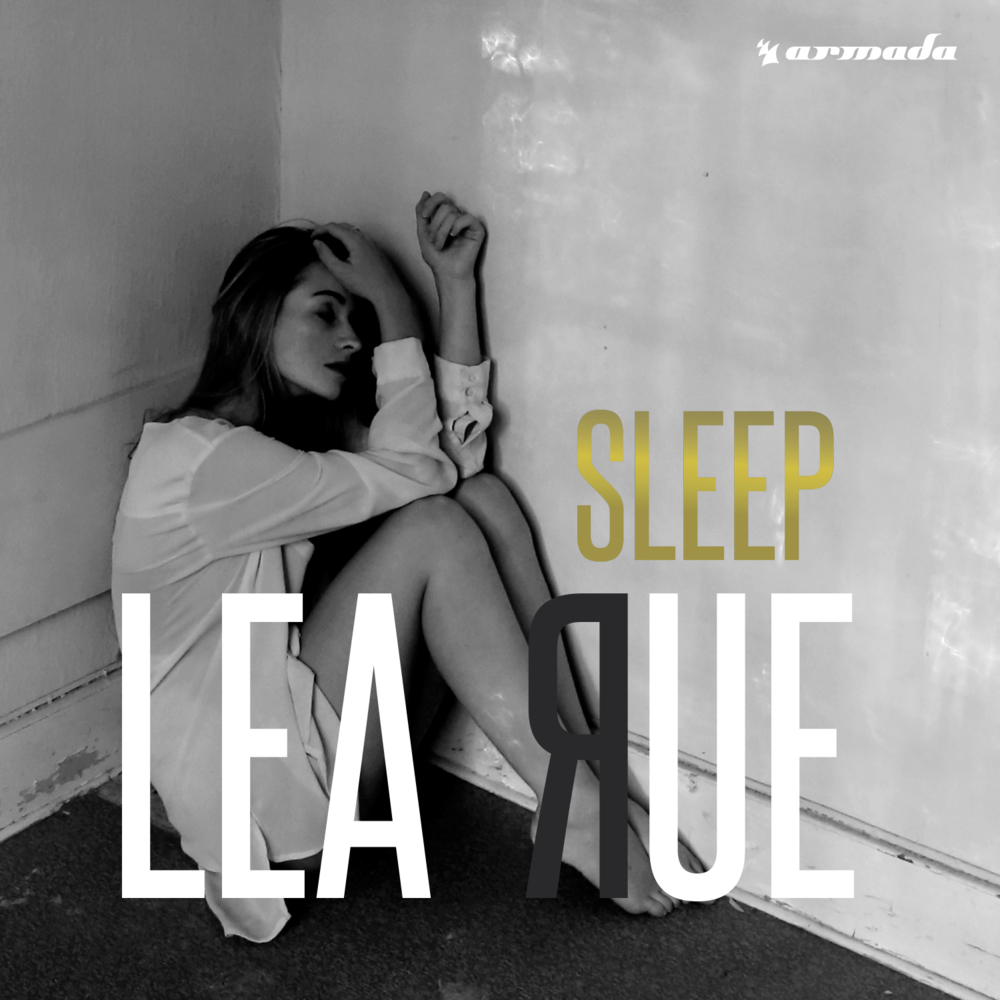
The lyrics paint a picture of intense, almost defiant wakefulness, a refusal to succumb to rest. The opening lines, "Go and tell them they're out / Oh, oh, sleep is for the weak now," establish a confrontational tone, positioning sleep as a sign of surrender. The narrator actively tries to block out the world with "Pull the blinds, kill the lights," yet the internal struggle persists, suggesting this isn't a choice made from strength, but perhaps from desperation.
The core tension lies in the paradoxical desire for sleep while simultaneously rejecting it. The narrator pleads, "(Sleep) Won't you come all over me," a plea that feels both intimate and desperate, highlighting a profound exhaustion. This is juxtaposed with the assertion that "Sleep, will never come now," creating a cycle of longing and frustration. The repeated phrase "I still feel you in my bed" hints at an underlying emotional or psychological disturbance that prevents true rest, making the rejection of sleep a coping mechanism.
The most striking craft element is the personification of sleep as something that can "come all over me," a phrase loaded with a double entendre that suggests both a desired surrender and an overwhelming force. This intimate, almost sexualized plea for sleep underscores the depth of the narrator's yearning. The repetition of "In my reign" and "In my darkest hour" frames this struggle within a personal kingdom of suffering, where even the quietest moments are filled with the phantom presence of "you."
Ultimately, these lyrics resonate because they capture the visceral feeling of being trapped in a state of anxious wakefulness. The writing doesn't just state sleeplessness; it embodies the fight against it, the desperate plea for oblivion, and the haunting persistence of whatever keeps the narrator from peace. The contrast between the aggressive "sleep is for the weak" and the vulnerable "Won't you come all over me" reveals a complex internal battle, making the narrator's plight feel intensely personal and raw.
 View Artist