Song Meaning
The lyrics paint a stark picture of performative altruism and hollow gestures. The narrator observes someone who offers superficial kindnesses – waving to the blind, taking bribes, lending hands that add to the problem – all while the internal suffering remains unaddressed. This creates an immediate tension between outward actions and inward reality, suggesting a deep disconnect.
The central conflict seems to be the futility of these actions, encapsulated by the repeated refrain, "The cure is worse / Than the pain inside." This line suggests that the attempts to alleviate suffering are either ineffective or actively harmful, exacerbating the original problem. It’s a cynical take on well-intentioned, or perhaps not-so-well-intentioned, actions that miss the mark entirely.
The most striking element is the juxtaposition of seemingly good deeds with morally ambiguous or outright negative ones. Feeding the poor with a sigh, empathizing only when high, and opening doors to a room that's already claimed all highlight this hypocrisy. The repeated hook, "This is the morning after," implies a reckoning or the aftermath of some significant, perhaps misguided, event or period of living.
Ultimately, these lyrics hit hard because they articulate a pervasive sense of disillusionment. The writing forces us to confront the possibility that our own attempts to help, or the help offered to us, might be more about appearances than genuine relief. The cyclical nature of the verses and the insistent hook leave the listener with a lingering feeling of unresolved consequence.
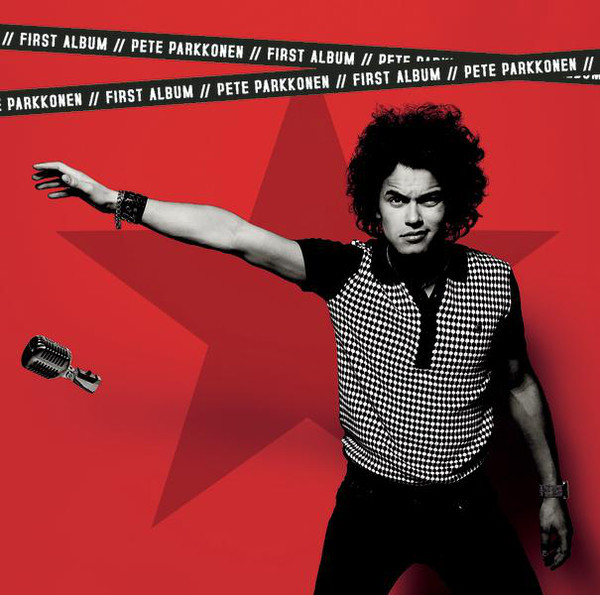
 View Artist