Song Meaning
The lyrics paint a stark picture of heartbreak and despair, opening with a wry, almost desperate plea for space in a shared bed, immediately undercut by the narrator's overwhelming 'weary, weary blues.' This isn't just sadness; it's a bone-deep exhaustion born from betrayal. The initial humor of the song title, "Lay over and Gimme Half the Bed (or I'm Gonna Rip up the Sheet)", quickly dissolves into a raw, aching loneliness that blurs the lines between day and night. The narrator feels utterly lost, a state amplified by the decision to flee.
The central conflict is the narrator's profound sense of loss and confusion after a romantic betrayal. The line "I turned my back on my true love" suggests a past action, perhaps a mistake or a moment of doubt, that now haunts them as their beloved "has gone another way." This abandonment leaves the narrator feeling adrift, unable to process the pain, stating "I can't swall[?] as I used to." The love they invested in has proven "untrue," leaving them with a paralyzing "weary, weary blues" and an inability to act, as they "don't know what to do."
The most striking element is the relentless repetition of "weary, weary blues," a phrase that becomes a mantra for the narrator's inescapable misery. This isn't just a passing mood; it's a pervasive condition that colors their entire perception, making them "can't tell the day from night." The blues here are not just a musical genre but a physical and emotional state of being, so profound it drives the narrator to seek escape on a train, hoping to "ride them all away." The contrast between the initial, slightly humorous title and the deep, existential pain that follows highlights the sudden, devastating impact of lost love.
Ultimately, the effectiveness of these lyrics lies in their unvarnished portrayal of desolation. The simple, direct language and the insistent repetition of the core feeling create an immediate and visceral connection to the narrator's plight. The decision to flee, to "catch a train / Never comin' back again," feels less like a solution and more like a desperate, instinctual reaction to an unbearable emotional weight. The blues are not just heard; they are felt, a heavy, suffocating blanket that leaves the narrator paralyzed and searching for an escape that may not exist.
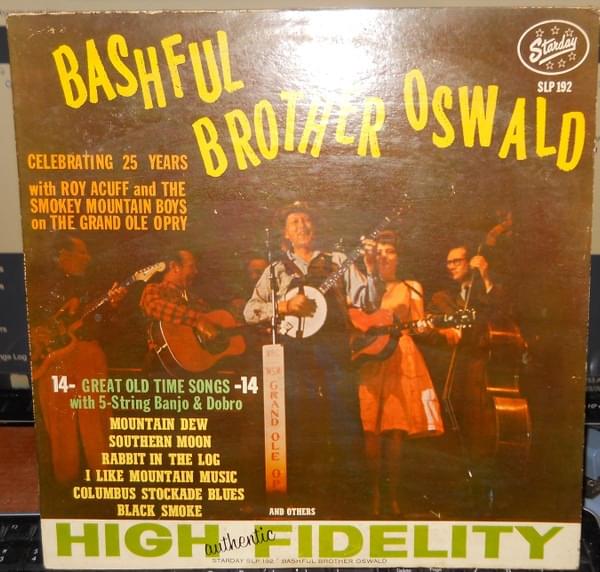
 View Artist