Song Meaning
The lyrics paint a stark picture of transactional power, where history itself becomes a commodity to be bought and sold. The opening lines, "We're buying and selling your history / How we go about it is no mystery," immediately establish a sense of cynical transparency. The process is presented as straightforward, involving city approval and legal changes, suggesting a system where even foundational elements can be manipulated for gain. This sets a tone of detached, almost bureaucratic control over something deeply personal and historical.
The central tension lies in the narrator's aggressive, almost gleeful pursuit of acquisition, contrasted with the implied loss or exploitation of the subject. Phrases like "Are you looking forward? / Now you want some more" suggest a manufactured desire, pushing a narrative of progress that masks a predatory agenda. The repeated "investigation, investigation, investigation" in Verse 2, coupled with "No questions in the house, no give and take," highlights a deliberate suppression of scrutiny and dialogue, reinforcing the idea of unchecked power and exploitation.
The most striking aspect is the relentless, almost hypnotic repetition of "S-H-O-P-P-I-N-G." This spelling out of the word transforms a mundane activity into a declared, almost ritualistic act of consumption and control. It’s not just about buying; it’s about the *process* of acquisition as an end in itself. The bridge bluntly states, "Our gain is your loss / That's the price you pay," directly confronting the listener with the zero-sum nature of this system. The reference to "the House of Commons" and "everything's for sale" grounds this critique in a specific, albeit generalized, political and societal context, suggesting that such transactions are sanctioned at the highest levels.
Ultimately, the effectiveness of these lyrics stems from their bluntness and the chillingly cheerful, yet sinister, framing of exploitation as a simple act of shopping. The repetitive chorus and the direct, unvarnished statements create a sense of inevitability and pervasive commercialism. It forces the listener to confront the idea that valuable aspects of life, history, and society are being systematically commodified and acquired by unseen forces, all under the guise of ordinary commerce.
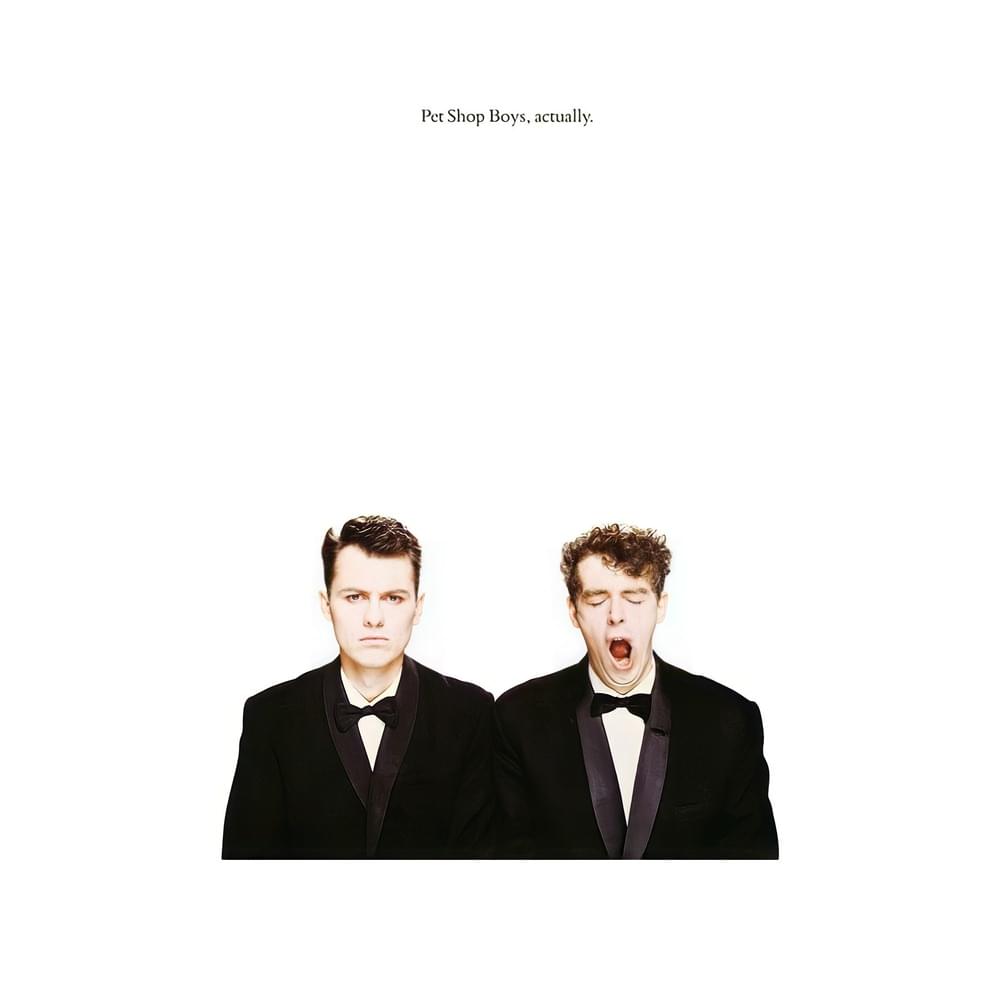
 View Artist