Song Meaning
The lyrics paint a stark, suffocating picture of environmental collapse, beginning with the literal "smoke's penetrating the atmosphere" from "heavy industry." This immediate sensory detail sets a grim tone, establishing a world where the air itself is poisoned by human activity. The narrator doesn't shy away from the cause, directly blaming "large factory chimneys" and the "environment pollution" they create. The language is blunt, emphasizing the tangible, venomed quality of the air we're forced to breathe.
The central tension lies in the self-inflicted nature of this destruction and the resulting paradox of survival. The lyrics declare, "Choking in the gas we self-produced," highlighting humanity's role in its own demise. This leads to the chilling conclusion, "The more we breathe, the sooner we die," a direct confrontation with the fundamental act of living becoming a fatal one. The poem frames this not just as an environmental issue, but as a "coming genocide" and "humanity's suicide," underscoring the scale of the catastrophe.
One of the most potent craft elements is the stark, almost clinical enumeration of environmental damage, juxtaposed with the deeply emotional implications. Phrases like "Nitrogen concentrations" and "Chemical rain drips" sound like scientific reports, yet they contribute to a narrative of "mother earth" being introduced to death. This clinical detachment in describing the decay amplifies the horror, making the inevitable "process of suffocation" feel both inevitable and profoundly tragic. The final lines question the very act of bringing new life into such a ruined world, asking, "Why give a child its birth / When we are poisoning our earth?"
This lyrical approach is effective because it grounds abstract environmental fears in concrete, visceral imagery and a sense of inescapable consequence. The poem doesn't offer solutions but instead forces a reckoning with the present reality, presenting the "heritage of this generation" as a "planet threatened with destruction." The direct, unadorned language strips away any pretense, leaving the reader with the raw, suffocating weight of the situation.
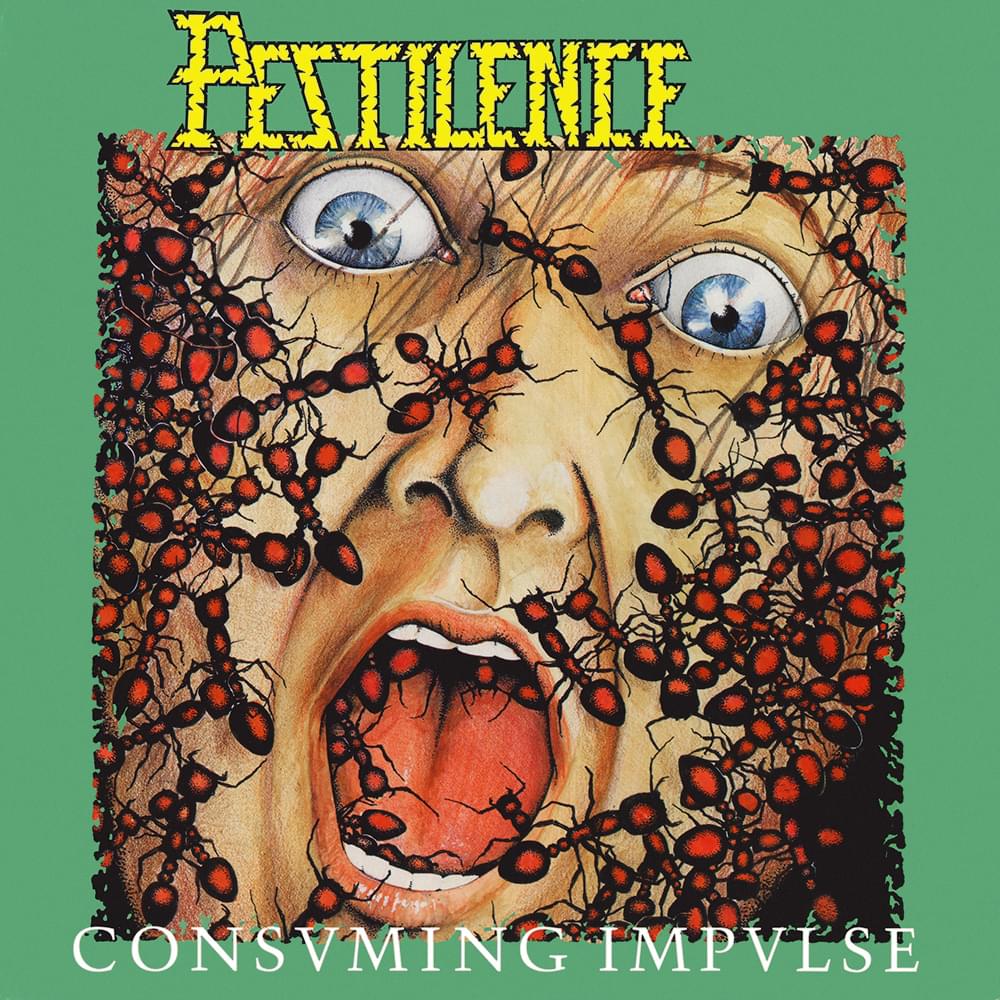
 View Artist