Song Meaning
These lyrics plunge us into a stark narrative: a once-revered deity is brutally cast aside and left to perish. The desert, a character in itself, inflicts "relentless" torment. This divine being, now a victim, is left in a state of profound emptiness, repeatedly described as "Dehydrated."
The central tension here is a devastating betrayal. The entity was "Worshiped until death do us part," yet ultimately "Outcasted by the ones who once loved." This broken vow fuels a deep-seated resentment. The imagery of the desert's merciless sun and freezing nights paints a picture of extreme suffering, emphasizing the depth of the abandonment and the harshness of the fall from grace.
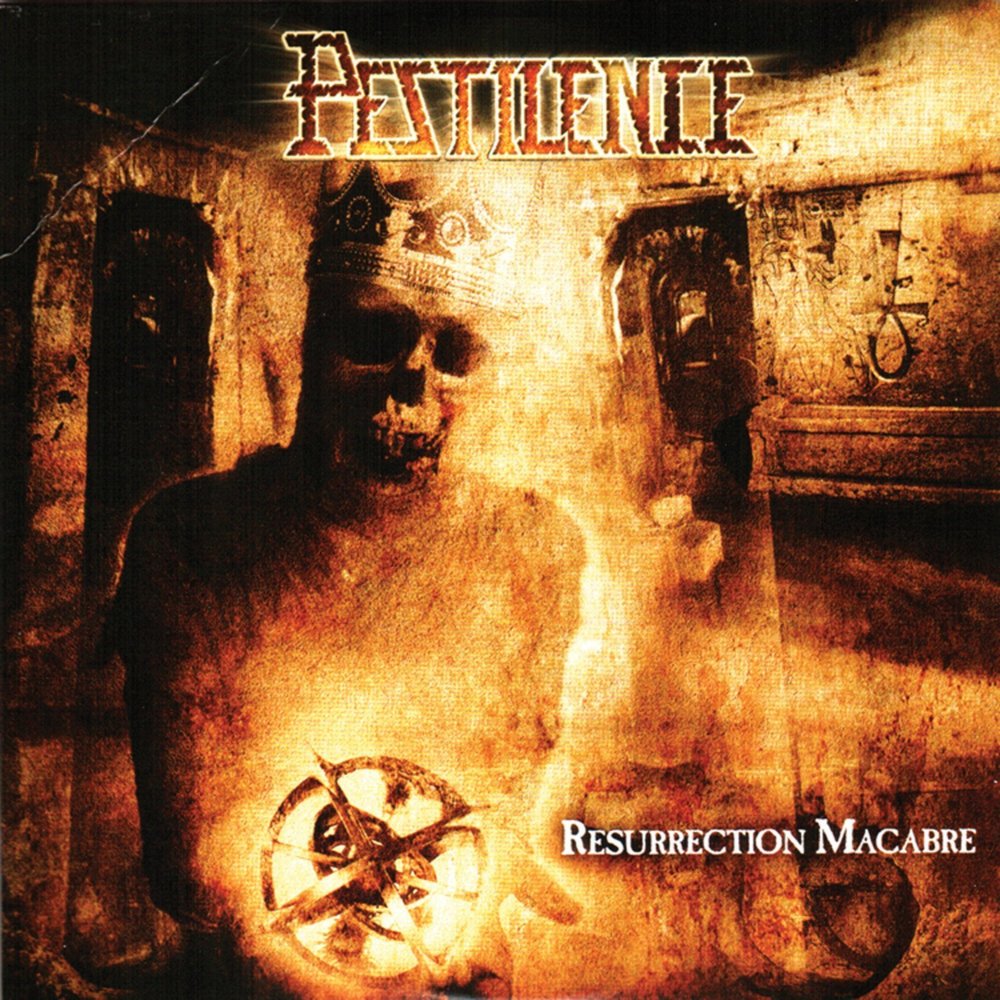
What's particularly striking is the transformation from victim to vengeful force. The lyrics detail a deliberate process: the "young God has been put to rest," drained and "Embalmed body to maintain / Structure to rise up once more." This isn't just death; it's a calculated pause. The perspective shifts from a third-person account of suffering to a first-person declaration of power, as "The wrath and hate of a 1000 years" resurrects the entity, now intent on bringing "pestilence to annihilate / The guilty ones."
This narrative arc is incredibly effective because it grounds the abstract concept of divine power in visceral pain and a very human desire for retribution. The final stanza, a direct address, solidifies this shift: "Feed me once more with your lies / Kiss and worship the floor I walk on." It's a chilling reclamation of power, a promise that the past suffering—"For it was me who was dead and gone"—will not be forgotten, but rather weaponized against those who once adored and then abandoned.
 View Artist