Song Meaning
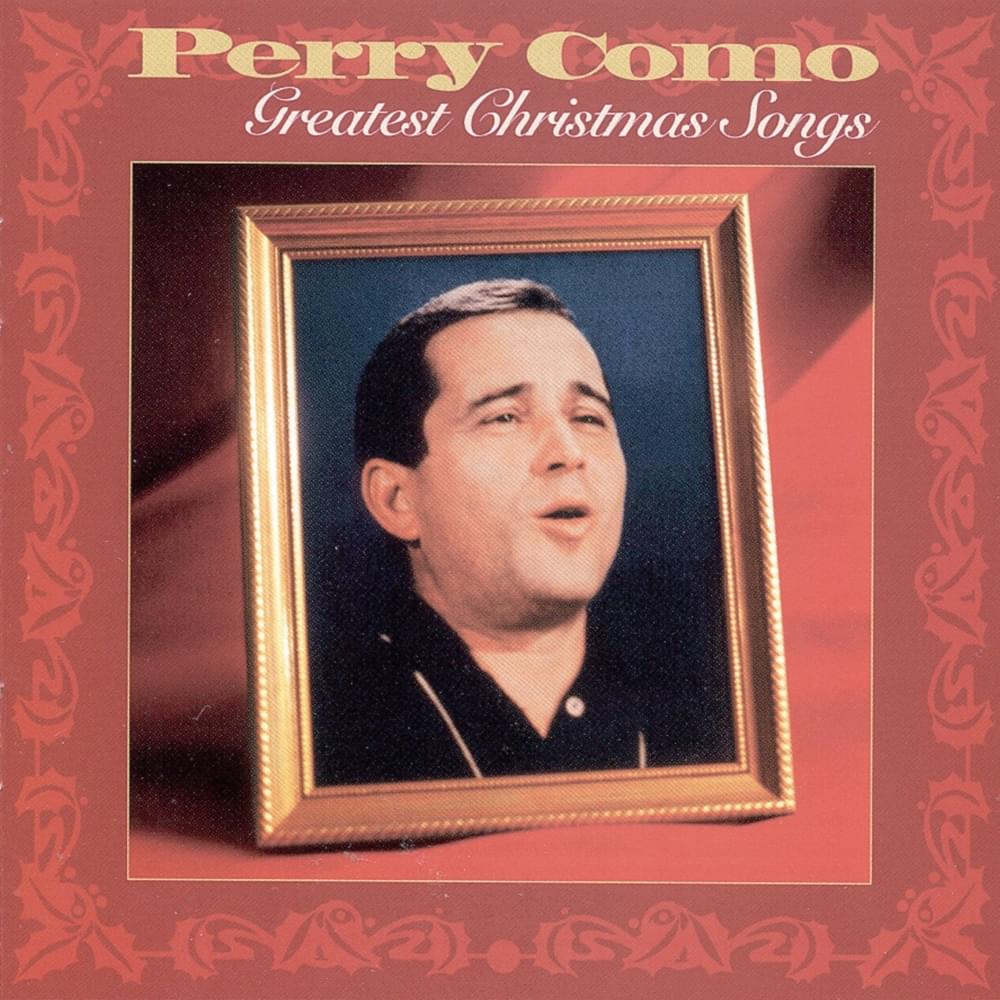
Perry Como's rendition of "The Little Drummer Boy" transcends the typical Christmas carol, tapping into a deeply human longing for acceptance and the inherent value of humble offerings. The recurring "pa rum pum pum pum" isn't just a catchy refrain; it's the sound of inadequacy transformed into devotion. The lyrics paint a picture of a child acutely aware of his poverty, standing in stark contrast to the opulent gifts brought before the newborn king. He possesses no gold, frankincense, or myrrh, only the rhythmic pulse of his drum. This contrast highlights a universal anxiety: the fear of being unworthy, of having nothing of value to contribute. The song, therefore, resonates not just as a religious narrative, but as an exploration of self-worth.
The boy's internal conflict is palpable. He acknowledges his poverty, stating plainly, "I am a poor boy too / I have no gift to bring." This vulnerability is what makes his eventual offering so poignant. He doesn't try to fabricate a grand gesture; instead, he offers the only thing he has: his simple, rhythmic talent. The question, "Shall I play for you?" is loaded with both hope and trepidation. It's a question that many carry within them: is what I have enough? Is my contribution valuable? Como's delivery, gentle and sincere, amplifies this sense of earnest yearning.
The resolution of "The Little Drummer Boy" lies in the transformative power of acceptance. Mary's nod and the baby's smile validate the boy's humble offering. It’s a powerful message: that true worth is not measured in material possessions, but in the sincerity of one's heart. The ox and lamb keeping time suggest a harmonious world where even the simplest sounds contribute to a larger symphony of devotion. Ultimately, the song's enduring appeal stems from its ability to address our deepest insecurities and offer a reassuring message: that everyone has something to offer, and that even the most modest gifts, given with love, are worthy of recognition.
 View Artist