Song Meaning
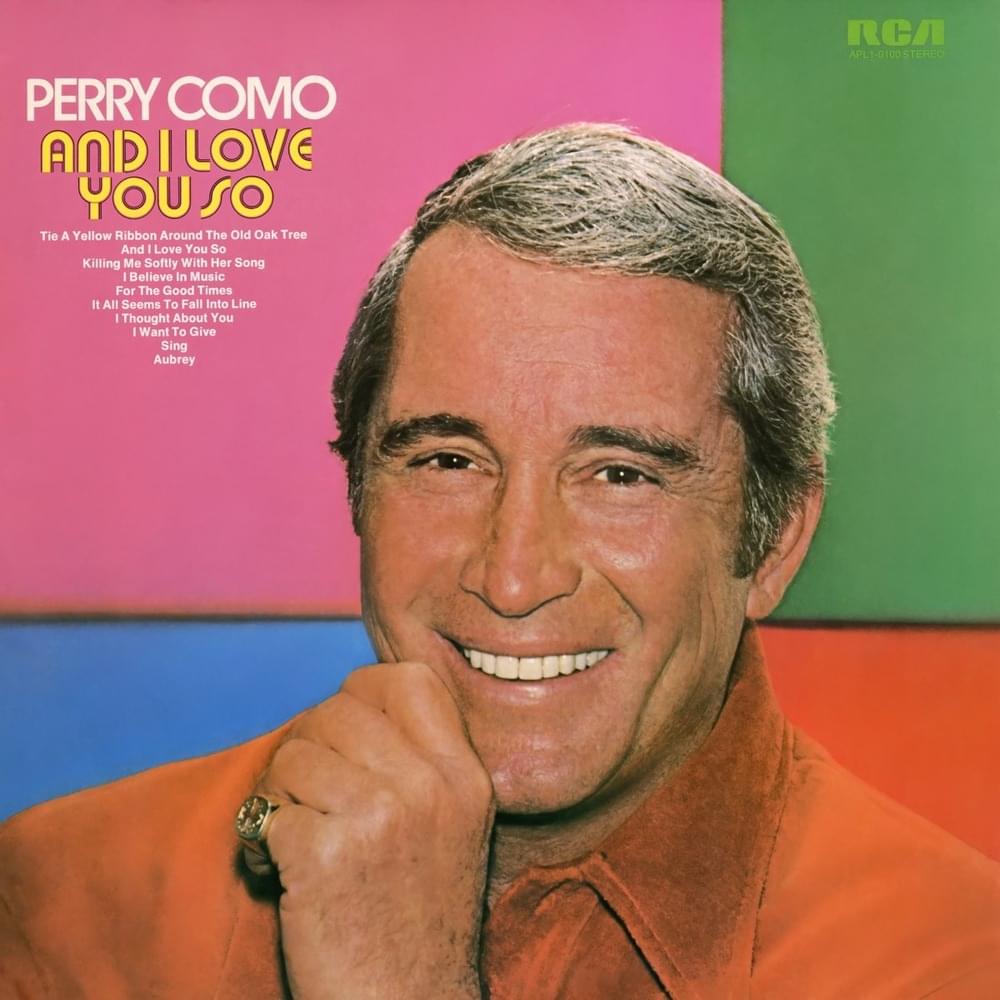
Perry Como's "For the Good Times" isn't a lament; it's a sophisticated negotiation with heartbreak. The song's meaning resides in its controlled acceptance, a mature acknowledgment that love, however intense, can be finite. The opening lines, "Don't look so sad, I know it's over / But life goes on and this ol' world will keep on turning," immediately establish a tone of resigned pragmatism. This isn't a desperate plea for reconciliation, but a measured farewell. The speaker isn't denying the pain, but choosing to frame the ending within the larger context of life's ongoing rhythm. The almost casual reference to burning bridges suggests a conscious decision to avoid recriminations or regrets, focusing instead on the shared past. It's the kind of sentimentality that only comes from deep understanding of human nature and relationships. The almost nonchalant nature of these opening lines is the keystone to understanding the song's deeper meaning.
The chorus, with its repeated invitation to "Lay your head upon my pillow / Hold your warm and tender body close to mine," isn't about rekindling a dying flame. It’s a final act of comfort, a shared moment of intimacy before the inevitable parting. The line "make believe you love me one more time" is particularly poignant, acknowledging the artifice inherent in the situation. There's a profound sadness in the request, but also a tenderness that elevates it beyond mere desperation. The imagery of raindrops on the window amplifies the mood of quiet melancholy, creating an atmosphere of intimacy and vulnerability. The phrase "for the good times" is not a nostalgic yearning for what was, but a conscious choice to savor the present moment, to extract the last vestige of joy from a relationship that is ending.
Ultimately, "For the Good Times" is a study in emotional maturity. The speaker's willingness to let go, to offer comfort even in the face of personal pain, speaks to a deep sense of self-awareness. The lines "I'll get along, you'll find another / And I'll be here if you should find you ever need me" are not empty platitudes, but genuine expressions of care. The refusal to dwell on "tomorrow, or forever" is a rejection of unrealistic expectations, an acceptance of the present moment for what it is. The repeated phrase, "For the good times..." is, in the final analysis, an embrace of impermanence, a celebration of the beauty that can be found even in the face of loss. This lyrics analysis reveals that this song is a masterclass in understated emotional complexity.
 View Artist