Song Meaning
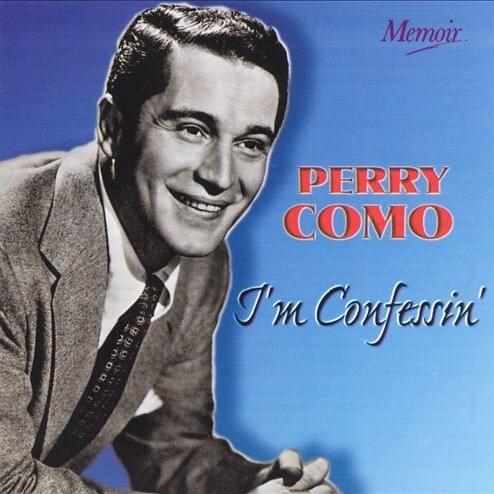
Perry Como's "Easter Parade" isn't just a saccharine holiday tune; it's a meticulously crafted performance of idealized romance and social aspiration. The lyrics paint a picture of a couple meticulously curating their image for public consumption, using the Easter Parade as a stage. It's a portrait of a relationship defined, at least in part, by external validation. The 'Easter bonnet,' laden with 'frills,' becomes a symbol of status and the lengths people go to project an image of success and happiness. The narrator's claim to 'be all in clover' and the 'proudest fella' hinges entirely on the attention his partner receives, suggesting a fragile ego propped up by reflected glory. It speaks to the inherent human desire to be admired and envied, particularly within the context of a romantic partnership.
Beneath the surface of springtime cheer lies a subtle commentary on the performative nature of relationships. The focus on being photographed and appearing in the 'rotogravure' (a printing process used for high-end publications) highlights a desire for lasting fame and recognition. The 'Avenue, Fifth Avenue' functions less as a physical location and more as a runway, where social currency is gained or lost based on appearances. The lyrics suggest that participation in this parade isn't merely about celebrating Easter; it's about solidifying one's position within a social hierarchy. It's a game of appearances, where the couple's value is determined by how well they play the part.
Even the narrator's declaration that he 'could write a sonnet' feels less like genuine artistic inspiration and more like another way to elevate the spectacle. The very act of writing a sonnet, a traditionally romantic gesture, is co-opted to further enhance the image of the couple within the Easter Parade. It's a meta-commentary on the way love and affection can become intertwined with social climbing and the pursuit of status. While seemingly simple, Perry Como’s delivery adds another layer; his smooth, almost detached tone hints that the singer might be knowingly participating in this carefully constructed charade, understanding the rules of the game and playing along for mutual benefit. The song, therefore, becomes a fascinating study of how societal pressures shape our romantic ideals and behaviors.
 View Artist