Song Meaning
{"song_id": 10404238, "meaning": "Perry Como's \"Pot-Pourri Comidas: Comer Comer / Pipoca / Quem Quer Pão?\" isn't just a medley of Portuguese food songs; it's a wistful exhumation of lost love, marinated in the passage of time. The lyrics, while seemingly simple on the surface, delve into the lingering ache of a relationship that ended, leaving behind a trail of unanswered questions and poignant memories. The song's core revolves around a central question posed to a former lover: \"Do you remember me?\" This query isn't merely about recognition; it's a desperate attempt to ascertain whether the shared history, the intimate moments, and the emotional bond still resonate with the other person. The narrator grapples with the ambiguity of the separation, haunted by the unresolved \"why\" behind the goodbye.
The song's emotional weight stems from its exploration of regret and the enduring power of memory. The lyrics, \"Do you ever regret the day you turned and walked away?\" lays bare the narrator's vulnerability and their persistent yearning for closure. There's a palpable sense of longing for what could have been, a life envisioned with this person that never materialized. Even though the narrator claims to have willed the memories from their mind, the admission that \"still the memory lingers in my heart\" reveals the futility of such efforts. Love, once experienced, leaves an indelible mark, shaping our present and coloring our perception of the past.
Ultimately, \"Pot-Pourri Comidas: Comer Comer / Pipoca / Quem Quer Pão?\" is a study in emotional persistence. The repeated questioning – \"Do you remember?\" – becomes a mantra, a desperate attempt to connect with a past that may be irrevocably gone. The song captures the universal human experience of grappling with lost love, the bittersweet nostalgia that accompanies memories of shared intimacy, and the enduring hope that perhaps, just perhaps, the other person feels it too. Perry Como masterfully conveys the sense of longing and vulnerability, turning a simple question into a profound meditation on the enduring power of love and loss."}
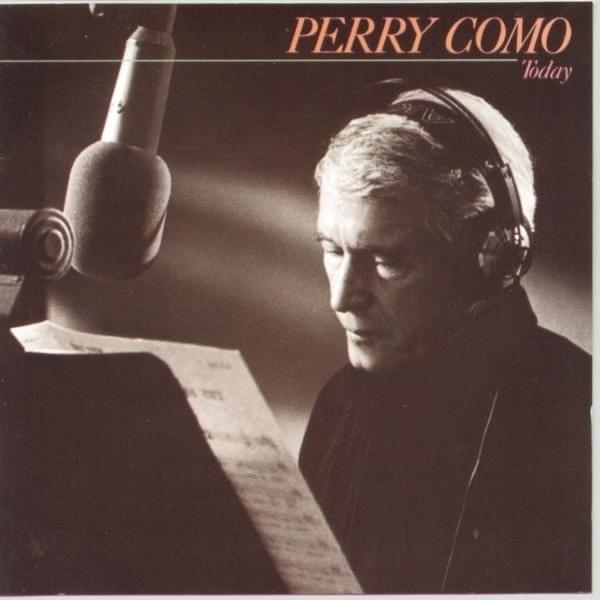
 View Artist