Song Meaning
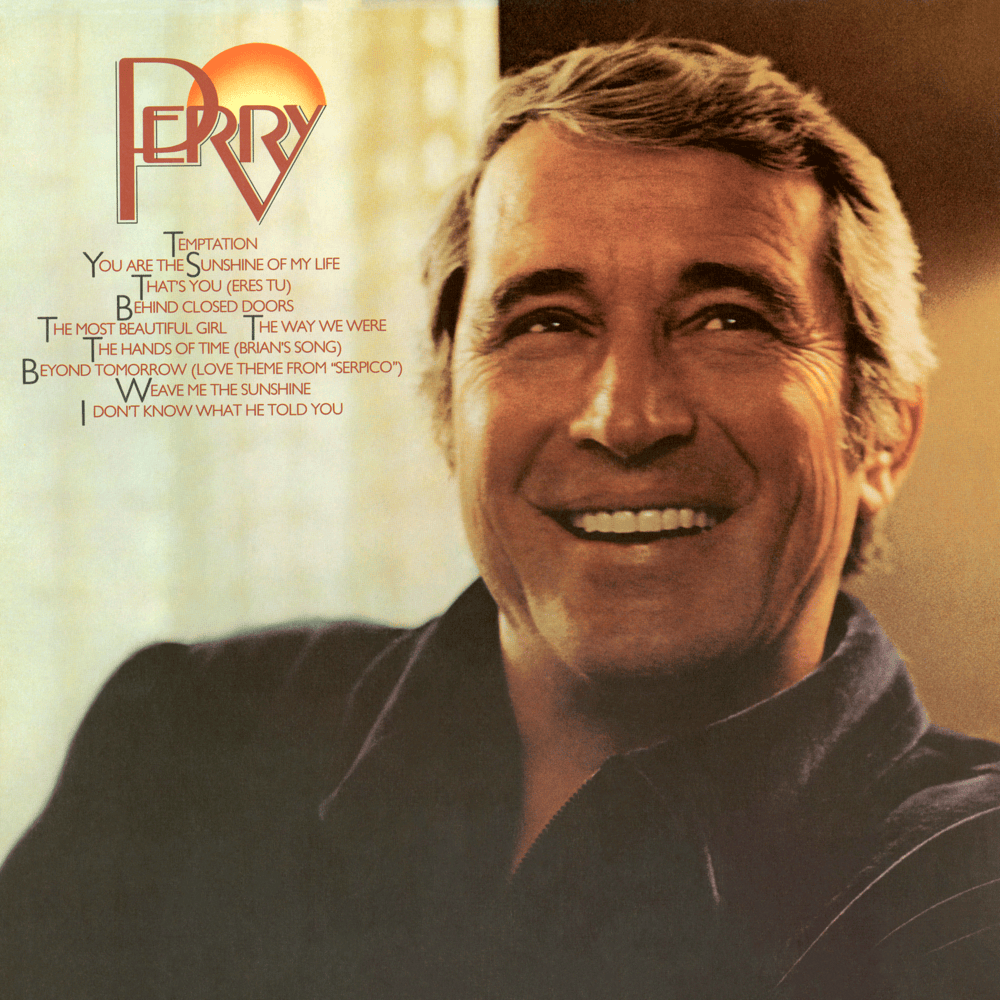
Perry Como’s "Beyond Tomorrow" isn't just a love song; it’s a meticulously crafted ode to the idealized, almost mythic endurance of romantic connection. The lyrics paint a picture of love not as a fleeting emotion, but as a force that evolves and deepens through the cyclical nature of life itself. Beginning in the "waking spring," the song traces a journey through the seasons, suggesting a relationship that blossoms with youthful exuberance and matures into something resilient and profound. The "harvest" of summer love implies a period of abundance and shared joy, but the true test, and ultimately the core meaning of the song, lies in facing adversity together.
The repeated phrase "Beyond Tomorrow" functions as more than just a hopeful sentiment; it’s a declaration of intent. It suggests a conscious decision to transcend the limitations of the present, to build a love that exists outside the constraints of time and circumstance. The "golden sunrise" metaphor isn’t particularly groundbreaking, but within the context of Como’s soothing delivery and the song’s overall earnestness, it resonates as a genuine expression of optimism. The lyrics imply that this enduring love is not simply stumbled upon, but rather, it's a "gift" actively cultivated and sustained by both partners.
What elevates "Beyond Tomorrow" from simple sentimentality is its acknowledgement of hardship. The shift to "When the birds have flown / And we stood alone / Against the chill of the sky" introduces a crucial element of vulnerability. This isn’t a love that exists in a perpetual summer; it faces the harsh realities of life. However, it is in this very confrontation with adversity that "courage" is born, solidifying the bond and transforming it into something seemingly indestructible. The song subtly suggests that true love isn't just about shared happiness, but about the shared strength forged in the face of inevitable challenges. The enduring promise of "love we knew / Would never die!" isn't naive; it's earned through weathering the metaphorical storms.
 View Artist