Song Meaning
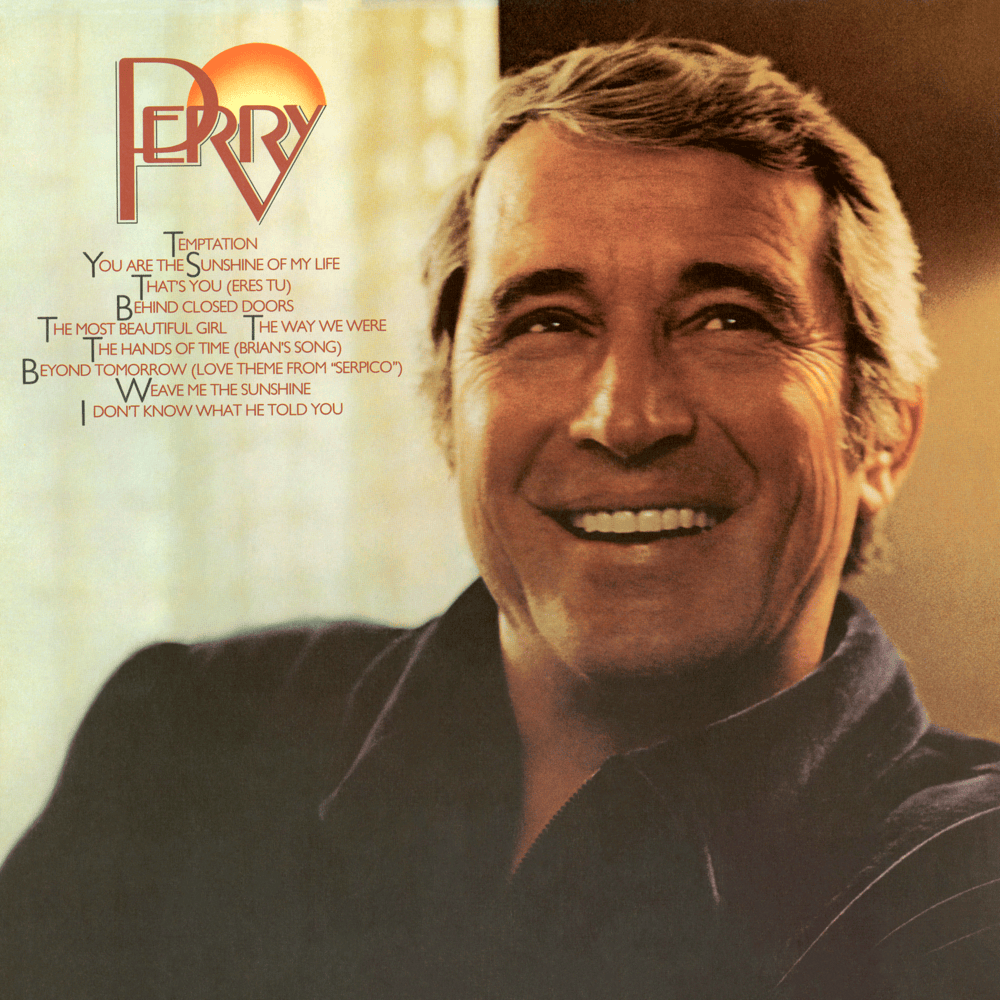
{"song_id": 10441213, "meaning": "Perry Como's \"Behind Closed Doors\" is less a celebration of intimacy and more a carefully constructed performance of masculinity, viewed through the lens of 1970s societal expectations. The lyrics drip with a possessive pride, framing the woman as an object whose primary function is to bolster the male ego. The recurring emphasis on her \"ladylike\" behavior in public, contrasted with her private expressions of desire, reveals a rigid dichotomy: the demure, socially acceptable facade versus the unrestrained, almost animalistic sexuality permitted only in the confines of the bedroom. This isn't about genuine connection; it's about maintaining appearances. The phrase \"she makes me glad that I'm a man\" is particularly telling. It suggests a fragile sense of self, dependent on external validation and a reinforcement of traditional gender roles.
The song's hook, \"no one knows what goes on behind closed doors,\" functions as both a boast and a warning. It hints at a wild, uninhibited passion, but also underscores the secrecy and potential shame associated with female desire. The constant repetition reinforces the idea that this private world is carefully guarded, perhaps to protect the man's image as much as the woman's. The lyrical structure itself contributes to this sense of controlled performance. The verses are filled with pronouncements and observations, delivered with a detached, almost clinical tone. There's a lack of vulnerability or emotional depth, suggesting a reluctance to fully engage with the complexities of the relationship.
In essence, \"Behind Closed Doors\" is a study in the performance of gender and the anxieties that underpin it. The song's meaning lies not in the celebration of love, but in the subtle power dynamics and the unspoken rules that govern intimacy. It’s a snapshot of a bygone era, where masculinity was defined by control and female desire was something to be carefully managed and concealed. The song's enduring appeal, however, may stem from its acknowledgement of the hidden self, the part of us that only emerges when the lights are off and the world is shut out."}
 View Artist