Song Meaning
The lyrics paint a picture of profound disorientation and a desperate search for solace. The narrator feels trapped, "too high to stay, too low to leave," caught in a state of paralysis. A figure, perhaps a lover or a guide, offers salvation with a plea to "have some faith in me," promising entry into a blissful "la-la-la-la land." This promise, however, is juxtaposed with unsettling imagery of troubled dreams and a swinging gate, suggesting that escape might be illusory or come at a cost.
The core tension arises from the narrator's struggle with belief, both in the external figure and in a higher power. The line "I don't know if I believe in you / If you exist, please forgive me" reveals a deep-seated doubt that fuels "existential angst." This internal conflict is amplified by the external sounds of "pious rhetoric" and "bells," which seem to mock or highlight the narrator's own lack of faith. The plea "Please wake me up if you really are the sun" underscores a yearning for genuine enlightenment or rescue, a stark contrast to the potentially false dawn offered by the other person.
The most striking craft element is the recurring motif of the "sun." Initially, the narrator is awakened by someone they "thought she was the sun," a powerful image of radiant hope and life. Later, this hope is recontextualized into a desperate plea for authenticity: "Please wake me up if you really are the sun." This shift suggests that the initial perception of salvation might have been a mirage, and the narrator now seeks a truth that is undeniably real, not just a comforting illusion. The contrast between the "troubled dreams" and the longed-for "sun" highlights the precarious balance between despair and the hope for redemption.
What makes these lyrics resonate is their raw portrayal of spiritual and emotional crisis. The language is direct yet evocative, capturing the feeling of being lost between worlds, unable to commit to either staying or leaving, believing or disbelieving. The narrator's vulnerability is palpable, especially in the direct address to an unknown deity. This honest confession of doubt, coupled with the yearning for a definitive truth – be it from a person or a higher power – creates a powerful emotional anchor that speaks to the universal human struggle for meaning and connection.
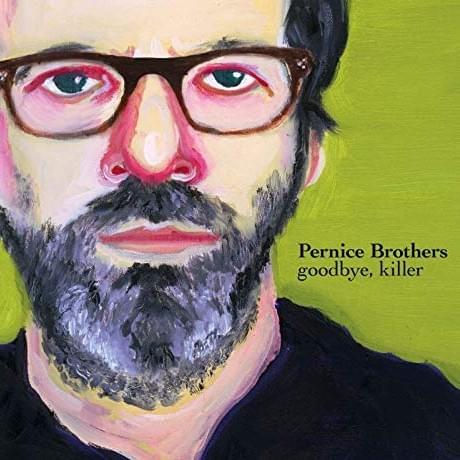
 View Artist