Song Meaning
The narrator opens with a series of striking, almost contradictory images to describe their struggle for freedom. They are "like a bird on the wire," suggesting precariousness and a desire to fly, yet also "like a drunk in a midnight choir," implying a loss of control and a communal, perhaps misguided, expression. This sets up a core tension: a deep-seated yearning for liberation that is constantly undermined by internal chaos and external pressures.
The lyrics then pivot to a more personal plea, acknowledging past transgressions. The narrator admits to being "unkind" and "untrue," but crucially, they assert that these failings were "never to you," directing the apology towards a specific recipient. This suggests a complex relationship where the narrator’s internal struggles have inadvertently caused pain, even if the intent wasn't malicious towards the person they address.
The imagery intensifies with the admission of having "torn everyone who reached out for me," comparing themselves to a "baby, stillborn" and a "beast with his horn." This powerful metaphor highlights a self-destructive tendency, pushing away help and connection, perhaps out of fear or an inability to manage their own inner turmoil. The contrast between this destructive behavior and the subsequent vow to "make it all up to thee" creates a compelling emotional arc.
Ultimately, the song captures a profound sense of internal conflict and the difficulty of navigating freedom and connection. The narrator’s self-awareness, coupled with their earnest, albeit perhaps naive, promise of amends, resonates because it lays bare the messy, often painful, process of trying to be better while wrestling with deep-seated patterns of behavior. The final repetition of the opening lines brings the listener back to the initial, unresolved state of precarious freedom.
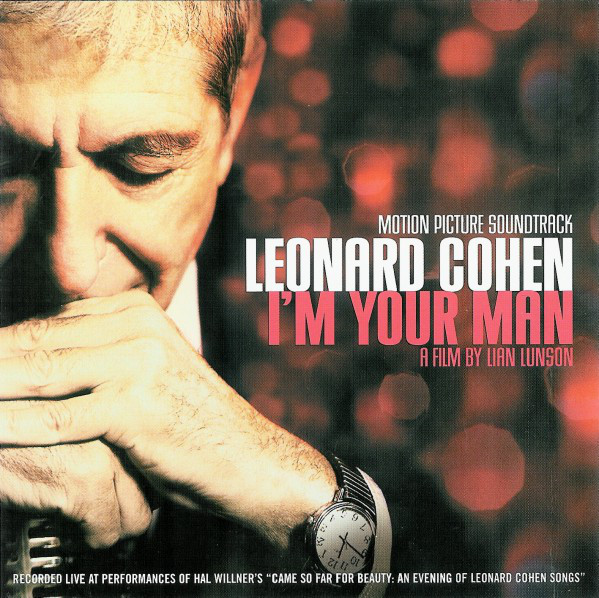
 View Artist