Song Meaning
These lyrics plunge into the raw, relentless tug-of-war between reason and desire. The speaker knows that engaging with this person is "muita chance pro azar" — too much of a gamble with bad luck. Yet, an undeniable pull keeps them coming back, trapped in a familiar, bittersweet cycle.
The central tension here is a stark internal division. While "A mente diz voltar jamais," the heart, or "o peito pede um pouco mais." This isn't just a mental battle; the physical self also succumbs, as "Meu corpo é breve, cede e fraqueja." It's a full-body surrender to an impulse the speaker intellectually resists, highlighting the profound difficulty of breaking away.
The lyrics brilliantly capture the inevitability of this return: "Quando eu dou por mim / Já é depois do fim, eu voltei." The speaker isn't just falling back into old habits; they're actively trying to define this complex connection, rejecting simple labels. "Não é recaída, não é reinicio," they insist, suggesting something deeper than a mere lapse. Instead, it's framed as "um restinho de amor, é desejo é vontade" — a potent mix of lingering affection, raw craving, and sheer will.
Ultimately, the power of these lyrics lies in their candid admission of powerlessness. The speaker tries to be strong, but it's always too late. The final line, "Você já me enfeitiçou," reframes the repeated surrender not as a personal failing, but as an irresistible, almost magical enchantment. It's a compelling, deeply human confession of being under a spell, making the cycle of return feel both fated and profoundly personal.
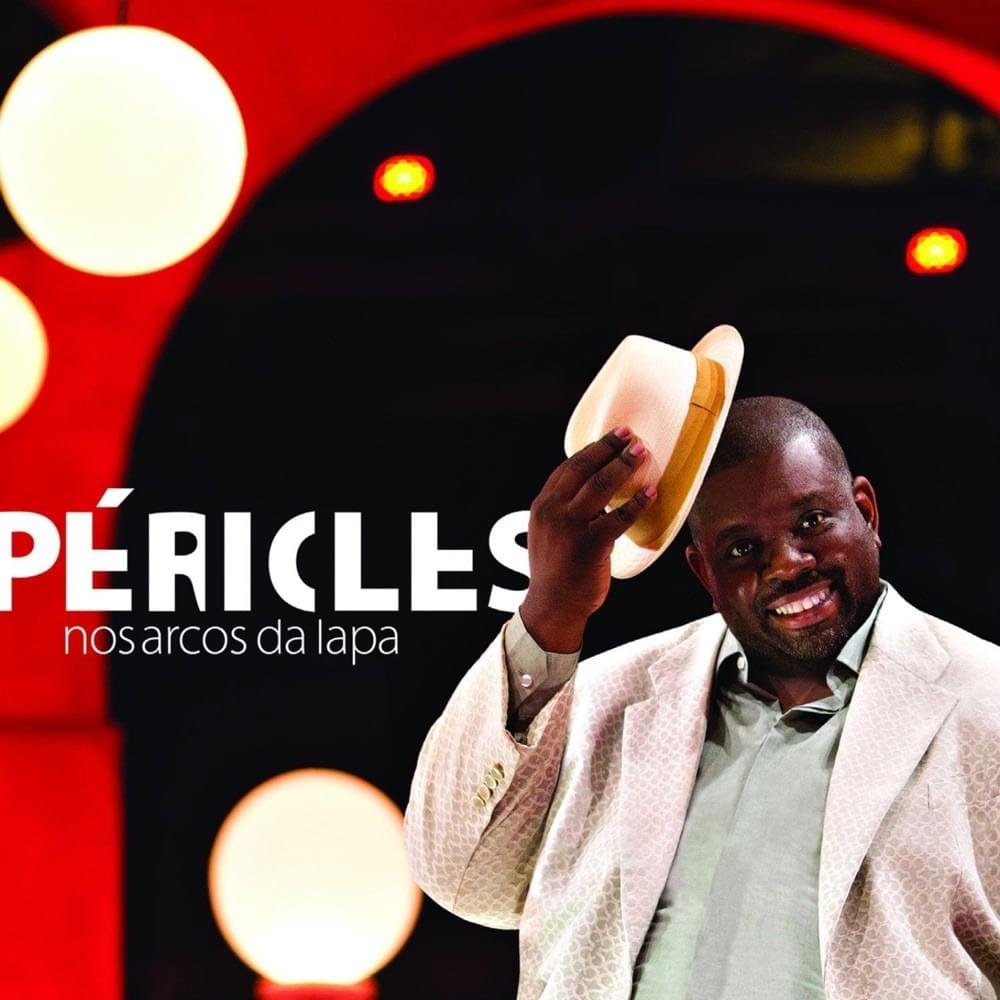
 View Artist