Song Meaning
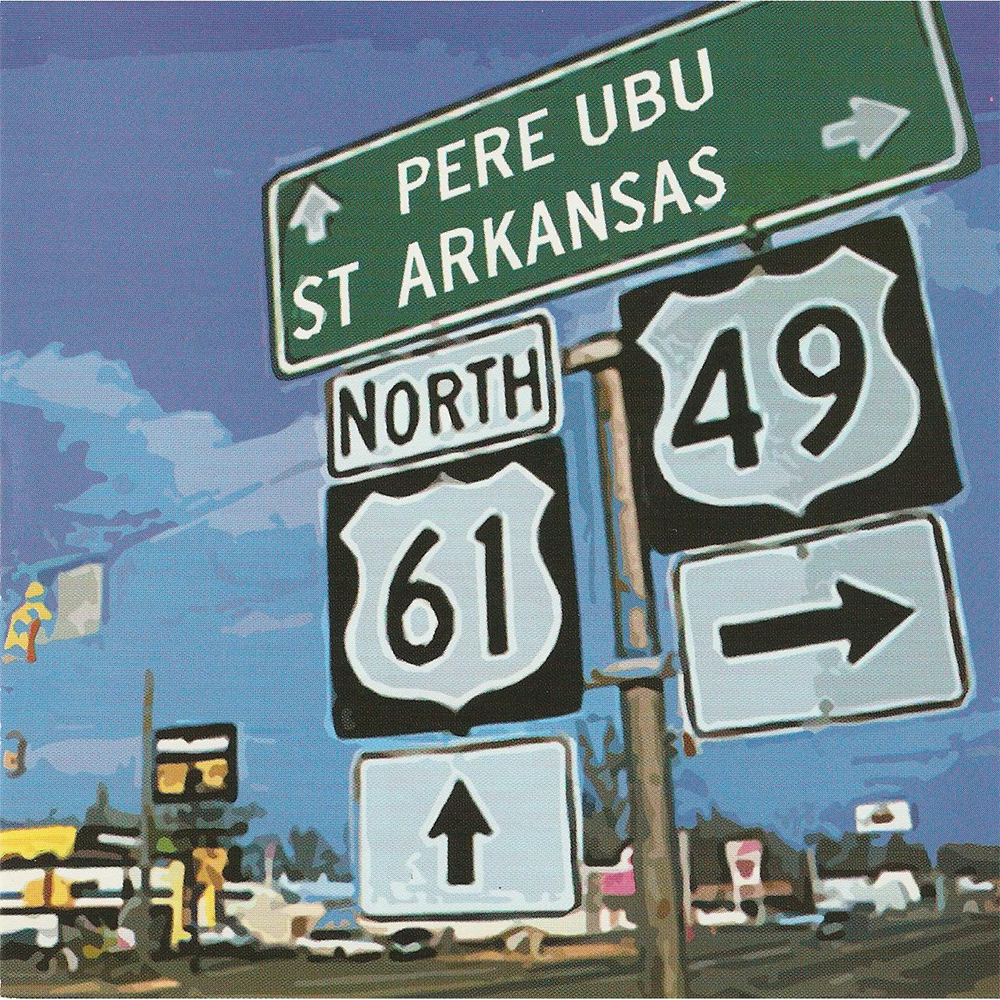
The lyrics paint a picture of a sweltering Southern afternoon, with the "midday sun" and "Saint Arkansas" setting a scene of almost oppressive heat. The "mighty road US 49" bearing the defiant slogan "Not Fade Away" introduces a sense of enduring presence, a stark contrast to the fleeting nature of human connection that follows. The narrator finds themselves at the "Helena Bridge," a liminal space where a direct, almost desperate question is posed: "How do you know?" This question is aimed at "DeSoto," who is accused of "teasing Lula so," hinting at a complex, perhaps manipulative, dynamic in a past relationship.
The central tension revolves around a profound and repeated refusal to confront the reasons behind emotional attachment and loss. The narrator states, "I don't want to know why I need you if I love you," and echoes this sentiment with variations for losing, missing, and finding the person. This insistent ignorance suggests a desire to preserve a certain emotional state, perhaps to avoid the pain of understanding or the responsibility that comes with knowledge. It's a willful blindness to the mechanics of love and its inevitable consequences, choosing instead to remain in a state of perpetual, unexamined feeling.
The most striking lyrical device is the play on "DeSoto" and "de soto voce." This juxtaposition of the historical figure, a conquistador known for his brutal quest for riches, with the Italian phrase for "in a low voice" is deeply evocative. It suggests that the "DeSoto" in question operates with a hidden, perhaps insidious, influence, speaking truths or manipulations quietly, affecting the narrator and Lula from the shadows. This quiet, almost whispered betrayal or manipulation contrasts sharply with the grand, public pronouncements of the road sign, highlighting the personal and intimate nature of the narrator's pain.
Ultimately, the lyrics resonate because they capture the bewildering, often irrational, nature of deep emotional entanglement. The narrator's plea in the "withered heart" – "Is there no hope to find / That some things are worthy? / Worthy holy or true?" – reveals a yearning for solid ground amidst the confusion of love and loss. The refusal to seek answers isn't just about avoiding pain; it's a desperate attempt to hold onto the *feeling* of love, even if the reasons are lost or the outcome is heartbreak, suggesting that for the narrator, the raw emotion itself is what feels most real, even if it's a "fevered dream."
 View Artist