Song Meaning
The lyrics paint a stark picture of internal desolation, describing a "ghost town / Inside of my heart" where the vibrant "downtown" has devolved into "parking lots." This emptiness is juxtaposed with superficial interactions and hollow reassurances. At a drug store, the narrator is offered "bitter pills" and asked if they'll return, while a barber shop promises to make them "look sharp" and "play the part." These scenes suggest a society or a personal state where genuine connection is absent, replaced by transactional pleasantries and a performative facade.
The central tension lies in the narrator's self-proclaimed title: "I've been elected King of the Fools." This declaration, repeated with the refrain about "Golden Pools," feels less like an honor and more like a resignation to a state of delusion or societal absurdity. The "Golden Pools" themselves are an enigmatic image, perhaps representing fleeting moments of perceived value or community that ultimately offer no real solace. The narrator's election to this ironic kingship highlights a profound sense of isolation and a recognition of the foolishness surrounding them, or perhaps within them.
The most striking craft element is the recurring image of the "ghost town" heart and the transformed "downtown" into "parking lots." This metaphor powerfully conveys a sense of lost potential and emotional barrenness. The contrast between the past vibrancy implied by a "downtown" and its current state of sterile, empty lots is a potent visual. Furthermore, the line "And in the rain the streets are on fire..." introduces a surreal, almost apocalyptic image that amplifies the feeling of internal chaos and decay, even as the external world offers platitudes.
These lyrics resonate because they articulate a feeling of being adrift in a world that offers superficial fixes and demands a performance of well-being. The narrator's ironic kingship over fools captures a specific kind of modern alienation, where one might feel both complicit in and aware of the surrounding absurdity. The stark, almost bleak imagery, combined with the repetitive, almost chant-like refrain, creates a powerful sense of melancholic resignation and a sharp critique of hollow societal structures and personal emptiness.
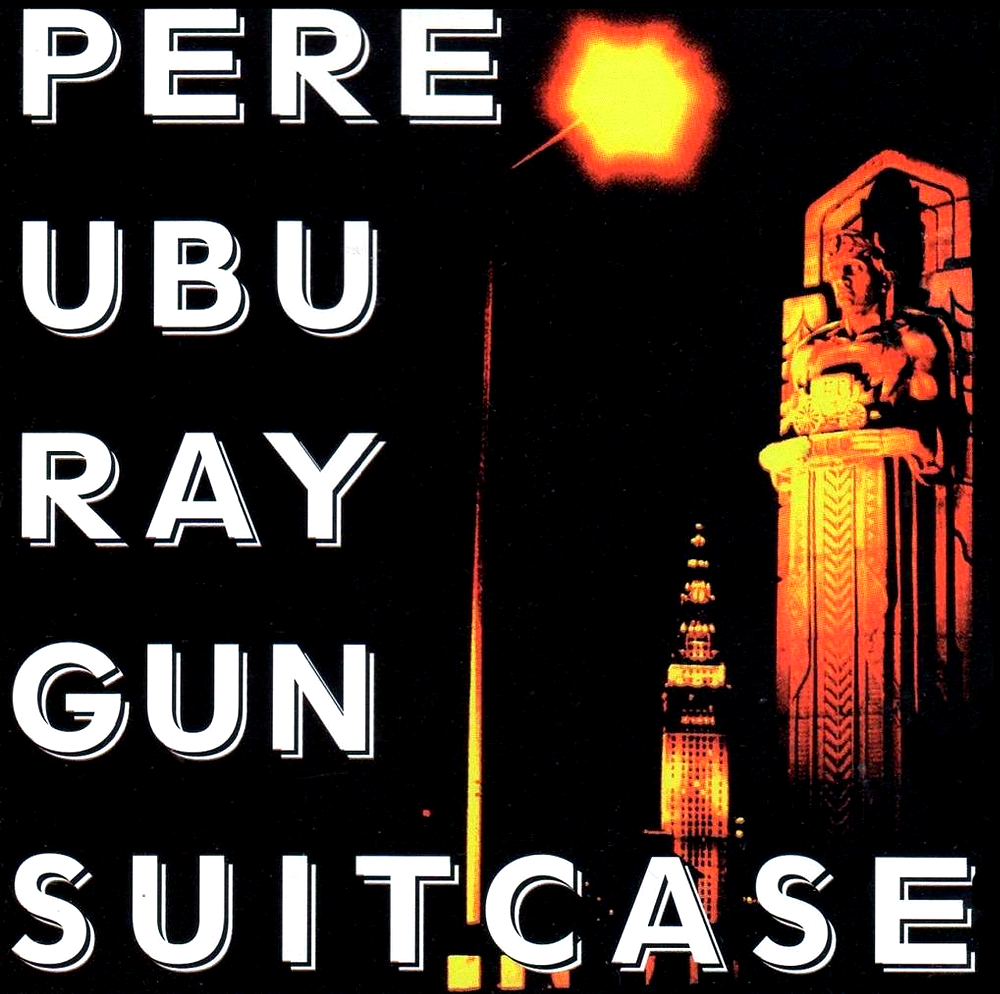
 View Artist