Song Meaning
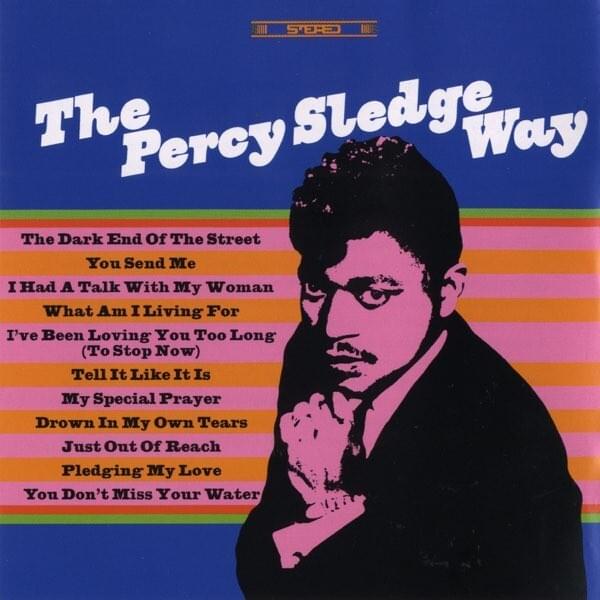
Percy Sledge’s "I’ve Been Loving You Too Long" isn’t just a plea; it's a raw, exposed nerve of codependency laid bare. The track bleeds with the desperation of someone clinging to a relationship that's clearly slipping away, a dynamic where one partner's growth has been stunted by the other's overwhelming need. The repeated declaration, "I've been loving you too long to stop now," initially sounds like devotion, but quickly curdles into something more akin to emotional blackmail. It's the sound of someone who's invested so much of their identity into the relationship that the prospect of its end feels like a personal annihilation. The singer's life and sense of self have become intertwined with his partner to a point of no return.
The lyrics paint a stark picture of imbalance. "You are tired and you want to be free," he acknowledges, yet his response isn't empathy or understanding, but a doubling down: "My love is growing stronger / As you become a habit to me." This isn't love in its healthiest form; it's a compulsion, an addiction fueled by fear of abandonment. The phrase "habit" is especially telling. It strips away the romantic veneer and exposes the underlying mechanism: a need being met, regardless of the cost to the other person. The more his partner pulls away, the tighter his grip becomes, creating a self-perpetuating cycle of resentment and need.
As the song progresses, the desperation escalates. The entreaties become more frantic, culminating in a near-hysterical litany of "Please, don't make me stop now." This isn't a dignified expression of love; it's a surrender of power, a complete abdication of self-respect. He's down on his knees, not just metaphorically, but emotionally, begging for scraps of affection. The final lines, with his “heart and soul cryin’,” are the ultimate expression of vulnerability, but also a chilling portrait of someone who has lost themselves entirely within the confines of a doomed relationship. The song, in its agonizing beauty, becomes a cautionary tale about the dangers of losing oneself in another person.
 View Artist