Song Meaning
The narrator faces the potential end of a significant relationship with a stoic, almost defiant calm. The opening lines lay out a series of hypothetical betrayals – leaving, letting down, rejecting love – but each is met with the unwavering assertion, "I'll be alright." This isn't a plea or a desperate reassurance; it's a declaration of self-preservation, a promise made to oneself in the face of anticipated pain.
The core tension lies between the profound value the narrator places on the relationship and their declared ability to endure its loss. They acknowledge the immense gift received: "You gave me the best years of my life" and "a love like that is very hard to find." Yet, this deep appreciation doesn't translate into a fear of abandonment. Instead, it seems to fuel a quiet resolve, suggesting that the richness of the past makes the present pain, however sharp, ultimately survivable.
The lyrics masterfully employ a cyclical structure, with the refrain "everything will be alright" echoing after each acknowledgment of loss or gratitude. This repetition functions as a mantra, reinforcing the narrator's internal strength. The phrase "I'll be alright" is more personal, a direct address to the self, while "everything will be alright" feels like a broader, more philosophical acceptance of life's inevitable changes and heartbreaks. The contrast between the potential devastation of the opening and the calm acceptance of the closing highlights a profound emotional resilience.
What makes these lyrics hit so hard is this carefully constructed balance between acknowledging deep love and asserting an unshakeable inner fortitude. The narrator isn't pretending the pain won't exist; they explicitly state, "All I need is little time to cry." However, this acknowledgment of grief is framed by an absolute certainty that it will pass, leaving them whole. It’s this grounded, realistic approach to heartbreak—accepting the tears but trusting the eventual peace—that resonates.
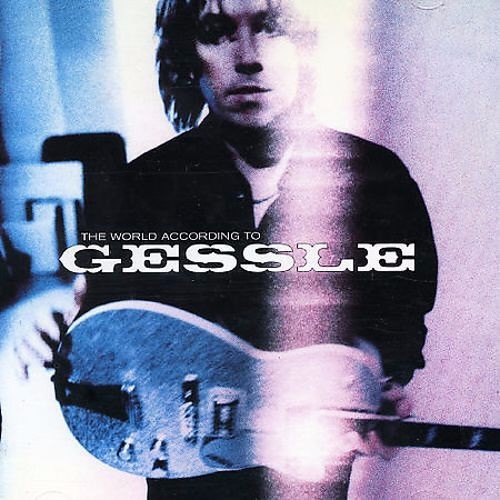
 View Artist