Song Meaning
The narrator is addressing a friend, likely a romantic partner, who seems to be stuck in a past version of herself. There's a clear sense of exasperation, as the narrator states, "You understood that with me / You won't get away with it." The lyrics paint a picture of someone clinging to youthful styles and behaviors, like "white socks and miniskirts," which the narrator believes are no longer appropriate given her age. This isn't just about fashion; it's about a perceived lack of growth or change that's wearing the narrator down.
The central tension lies in the narrator's plea for change versus the friend's apparent resistance. The repeated phrase "Un giorno cambierai" (One day you will change) hangs over the song, a mix of hope and weary resignation. The narrator offers a way out, a fallback: "you can go back home, you know / You can go back to mom and dad." This isn't presented as a punishment, but rather as a concession, an acknowledgment that perhaps this desired transformation isn't happening, and a return to a simpler, perhaps more dependent, state is the only option.
The most striking element is the contrast between the narrator's frustration and the underlying affection, or at least a deep-seated investment. Despite the complaints about miniskirts and changing tastes, the narrator declares, "The love I gave you, where is it?" and later, "without you I will die." This dramatic pronouncement, "Sicuro, morirò" (For sure, I will die), reveals the depth of the narrator's feelings, even as they express exhaustion. The promise the friend made to change, "You said: 'I will change'," becomes a source of pain for the narrator, highlighting a broken commitment that fuels the entire emotional conflict.
Ultimately, the lyrics resonate because they capture a specific kind of relationship dynamic: the struggle when one person feels they've outgrown another, or when one person is waiting for the other to catch up. The narrator's blend of tough love, disappointment, and a desperate, almost self-destructive, devotion makes the plea for change feel both deeply personal and universally understood. It’s the sound of someone pushing for growth while simultaneously fearing the loss that might come with it.
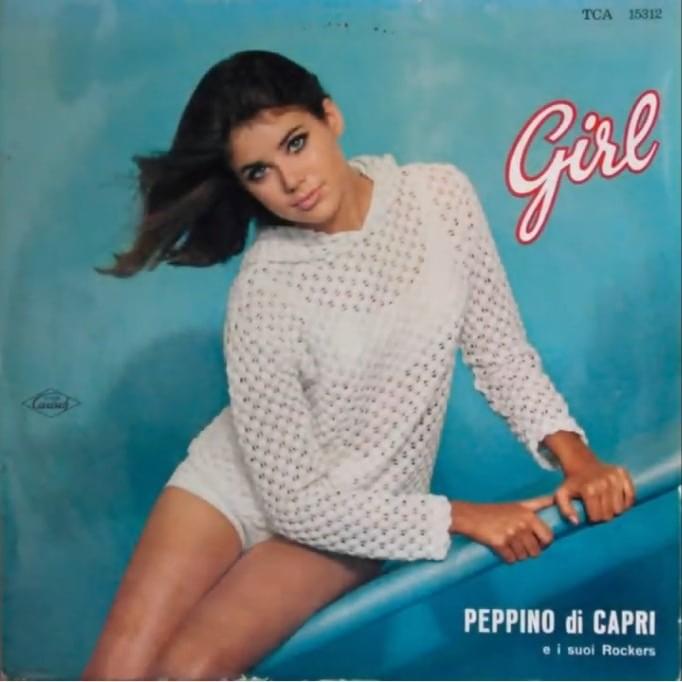
 View Artist