Song Meaning
The lyrics paint a stark picture of a relationship's bitter end, where insincere words spoken in haste have permanently fractured two hearts. The narrator recounts a moment where a declaration of love was met with a confession of dishonesty, setting the stage for an irreversible separation. The dominant tone is one of regret and a painful acknowledgment of past deceit.
The central tension arises from the lover's return, not as a sign of reconciliation, but as a catalyst for finality. The narrator states, "Sî turnata / Ma nun me vuó cchiù bene!" (You returned / But you don't love me anymore!), highlighting the futility of this reappearance. This return is framed as a last visit, a definitive goodbye, underscored by the narrator's admission, "Io t'avvelenavo 'a vita" (I poisoned your life), even during moments of supposed intimacy.
The most striking aspect is the narrator's self-awareness of their destructive behavior, particularly their jealousy. They admit, "pe' sta gelusia / Sî turnata" (because of this jealousy / You returned), suggesting their own actions drove the partner away and now, paradoxically, brought them back for a final farewell. The line "Troppo 'ngrato so' stato cu' tte / Ca me vulive bene" (I was too ungrateful to you / Who loved me) encapsulates this self-recrimination, questioning the very reason for the lover's enduring affection despite the narrator's toxicity.
This song hits hard because it doesn't shy away from the ugliness of a relationship's demise. The raw admission of poisoning a loved one's life, even while they professed their love, creates a potent sense of tragic irony. The narrator's final, desperate "Ma pecché?!" (But why?!) isn't just a question to the lover, but a profound, unresolved plea to understand their own capacity for self-sabotage.
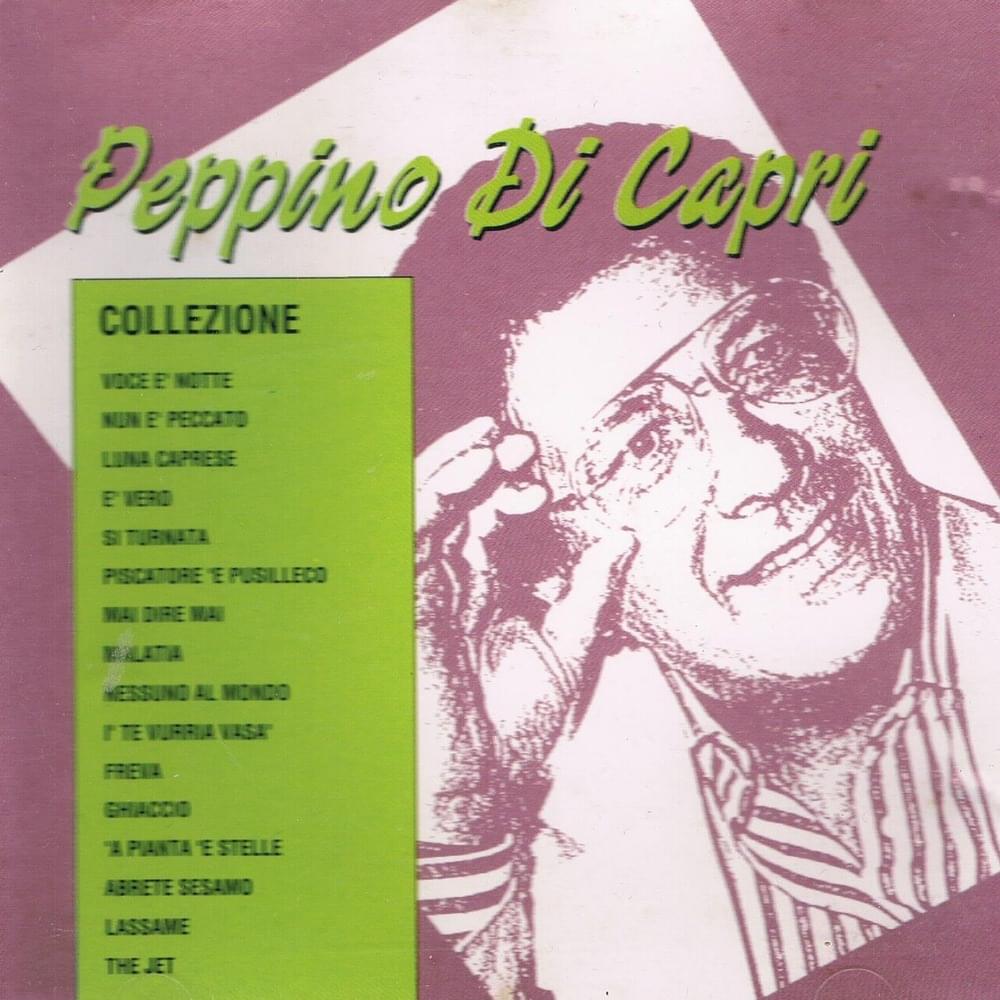
 View Artist