Song Meaning
The lyrics paint a stark picture of descent and loss, beginning with a narrator who "scinne" (descends) from the mountain, accompanied by "malasciorte" (bad luck). This downward movement is mirrored by the repeated "sciummo, sciummo, sciummo," evoking a flowing, unstoppable force, like a river. The narrator contrasts their own descent with someone else's ascent or perhaps a different kind of movement, but the dominant feeling is one of being carried away by misfortune. The core metaphor emerges quickly: love is a river that gets lost at sea, a poignant image of something precious disappearing into an vast, indifferent expanse.
The central tension lies in the contrast between the narrator's experience and the actions of another person. While the narrator is descending with bad luck, someone else is singing and seemingly unburdened, even boastful. The bridge reveals a betrayal: a woman who was recently in the narrator's arms, fainting with passion, is now kissing another and bragging about it. This personal heartbreak amplifies the feeling of being lost, making the sea metaphor for lost love even more potent and personal.
The recurring image of the river "sciummo" is masterfully used. It's not just a passive flow but an active force that carries love away to be lost at sea. The sound of the "zampogna" (bagpipe) descending from the mountain, echoing the "sciummo, sciummo, sciummo," reinforces this sense of inescapable fate. The lyrics suggest that only the sea, the ultimate destination of the lost river of love, can make one forget that love, highlighting a deep sorrow and resignation.
This song hits hard because of its raw, unvarnished portrayal of heartbreak and bad fortune. The simple, direct language and the powerful, consistent imagery of descent and the sea create a palpable sense of helplessness. The betrayal in the bridge transforms the general metaphor of lost love into a specific, agonizing wound, making the narrator's melancholic descent feel profoundly earned and deeply felt.
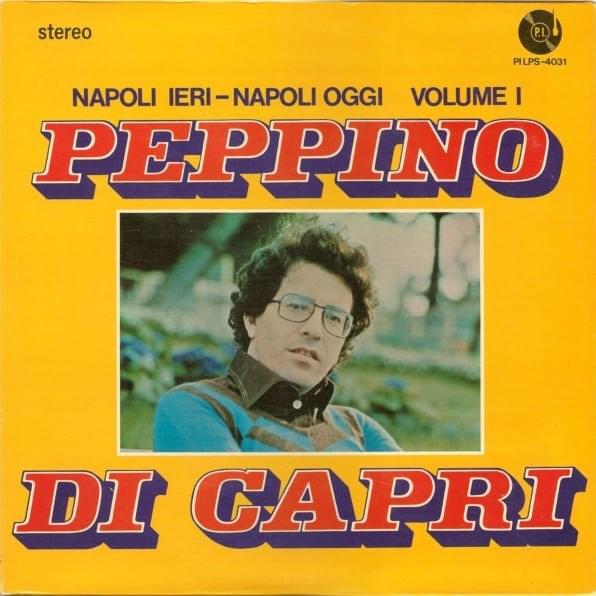
 View Artist