Song Meaning
This song paints a picture of betrayal on a beautiful spring night. The narrator recalls a specific moment, "'na sera 'e maggio," when his lover said "Sì" – a promise of commitment. Now, that same lover is distant, distracted, and forgetting him, seemingly for someone else. The setting, with the sea and leaves, contrasts sharply with the emotional turmoil. The narrator feels deeply in love, "dint'ô core," but is met with silence and a fading connection.
The central tension lies in the broken promise. The narrator emphasizes the gravity of saying "Sì," stating, "Nun s'ha dda fá murì / 'Nu core amante" – you shouldn't let a loving heart die. This plea highlights the pain of his lover's current actions, which directly contradict the vow made on that May evening. He questions her courage to leave him after such a significant commitment, underscoring the shock and hurt of her apparent change of heart.
The lyrics build on a poignant contrast between past devotion and present neglect. The lover's initial promise, sworn with "'na mano 'ncopp'ô core," was a powerful declaration of enduring love, specifically "'o primmo ammore." Yet, the narrator now laments, "Mo' te staje scurdanno 'e me" – now you're forgetting me. This direct juxtaposition of a sacred vow against present forgetfulness is the emotional core, making the betrayal feel all the more profound.
What makes these lyrics hit so hard is the raw vulnerability and the specific, yet universally understood, pain of a love lost. The narrator isn't just sad; he's bewildered by the shift from a declared eternal love to outright neglect. The simple, declarative statements about love and promises, set against the backdrop of a romanticized evening, amplify the sting of abandonment. It’s the quiet tragedy of a vow broken on a night that should have been remembered fondly.
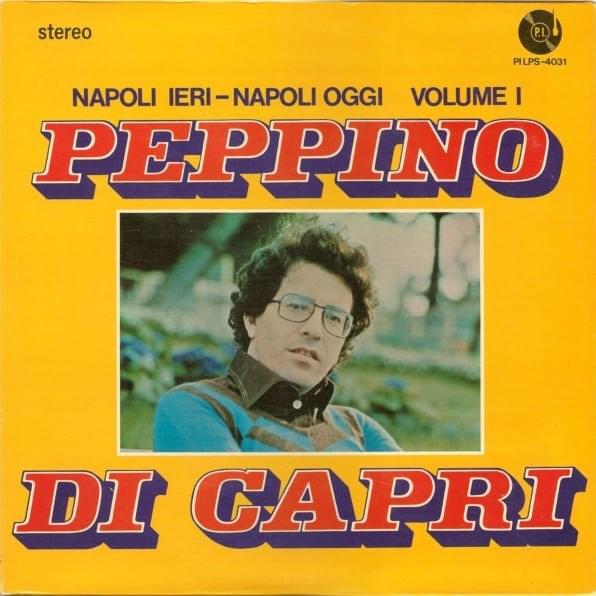
 View Artist