Song Meaning
The lyrics paint a stark picture of a reunion after a long absence, immediately establishing a tone of surprise and disorientation. The narrator encounters someone familiar yet changed, noting physical differences like weight loss and shorter hair, and questioning their presence in this unexpected location. The initial lines, "Due labbra rosse e gli occhi stanchi / Quasi non ti riconoscevo," set a scene where recognition is a struggle, hinting at a past that has significantly altered the present encounter.
The central tension lies in the narrator's enduring, unexpressed love versus the other person's apparent distress and the passage of time. The repeated question, "Ma che cosa vuol dire / Perché stai piangendo e mi guardi così?" underscores the narrator's confusion and hurt. They recall a past where they actively comforted this person, stating, "Non volevo che tu / Tu piangessi per me," a stark contrast to the current situation where the other person is crying, and the narrator is left to question the meaning of this reunion and the lost time.
The most striking craft element is the subtle shift in the chorus's declaration of love. Initially, it's "Ed io che intanto t'ho amata / Io t'ho perduta ed ora sei qui," suggesting a love that existed concurrently with the separation. However, it evolves to "Ed io che invece ti amavo / Io t'aspettavo ed ora sei qui," implying a more active, perhaps unrequited, waiting and a love that persisted despite the loss. This linguistic nuance highlights the narrator's internal state and the depth of their unspoken feelings.
These lyrics resonate because they capture the painful dissonance of encountering someone from your past who is now a stranger, yet still evokes deep-seated emotions. The narrator's confusion and the lingering affection, juxtaposed with the other person's tears and the unacknowledged history, create a poignant sense of what might have been. The final command, "Asciuga il tuo viso," offers a bittersweet resolution, a final act of care from someone who loved them through it all, even if the context is now irrevocably altered.
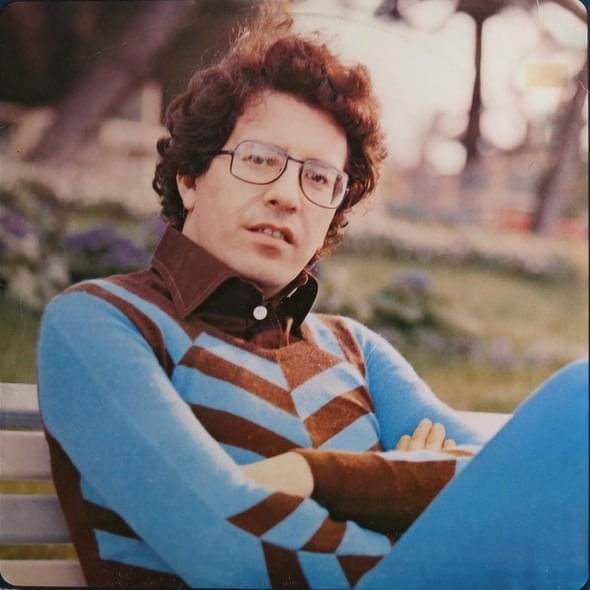
 View Artist