Song Meaning
This song paints a tender, sun-drenched scene of quiet observation. The narrator notices the fresh air, the scent of mallow, and the gentle descent of the sun into the garden. They are captivated by someone sleeping peacefully amidst rose leaves, with the wind softly kissing their curls. It’s a moment of pure, unadulterated appreciation for a serene natural setting and the person within it.
The central tension arises from the narrator's intense desire versus their hesitant restraint. They express a strong wish to kiss the sleeping person – "I' te vurría vasá" – repeated with yearning. Yet, this desire is immediately countered by a deep-seated reluctance to disturb the peace: "Ma 'o core nun mm' 'o ddice / 'E te scetá" (But my heart doesn't tell me to wake you). This internal conflict creates a delicate emotional balance, prioritizing the other's tranquility over the narrator's own longing.
The most striking craft element is the juxtaposition of active desire with passive observation and the wish for shared stillness. While the narrator *wants* to act (kiss), they are held back by consideration. Instead, they express a longing to simply *be* near, to fall asleep themselves "Vicino ô sciato tuojo" (Near your breath). This shift from a potentially intrusive action to a desire for quiet, shared presence highlights a profound respect and affection.
What makes these lyrics so effective is their gentle, almost reverent portrayal of affection. The imagery is soft and natural, mirroring the tender emotions. The repetition of the core desires – to kiss, to sleep nearby – emphasizes the depth of the narrator's feelings without resorting to grand declarations. It’s the quiet, unspoken moments, the careful consideration of the other’s peace, that resonate most powerfully.
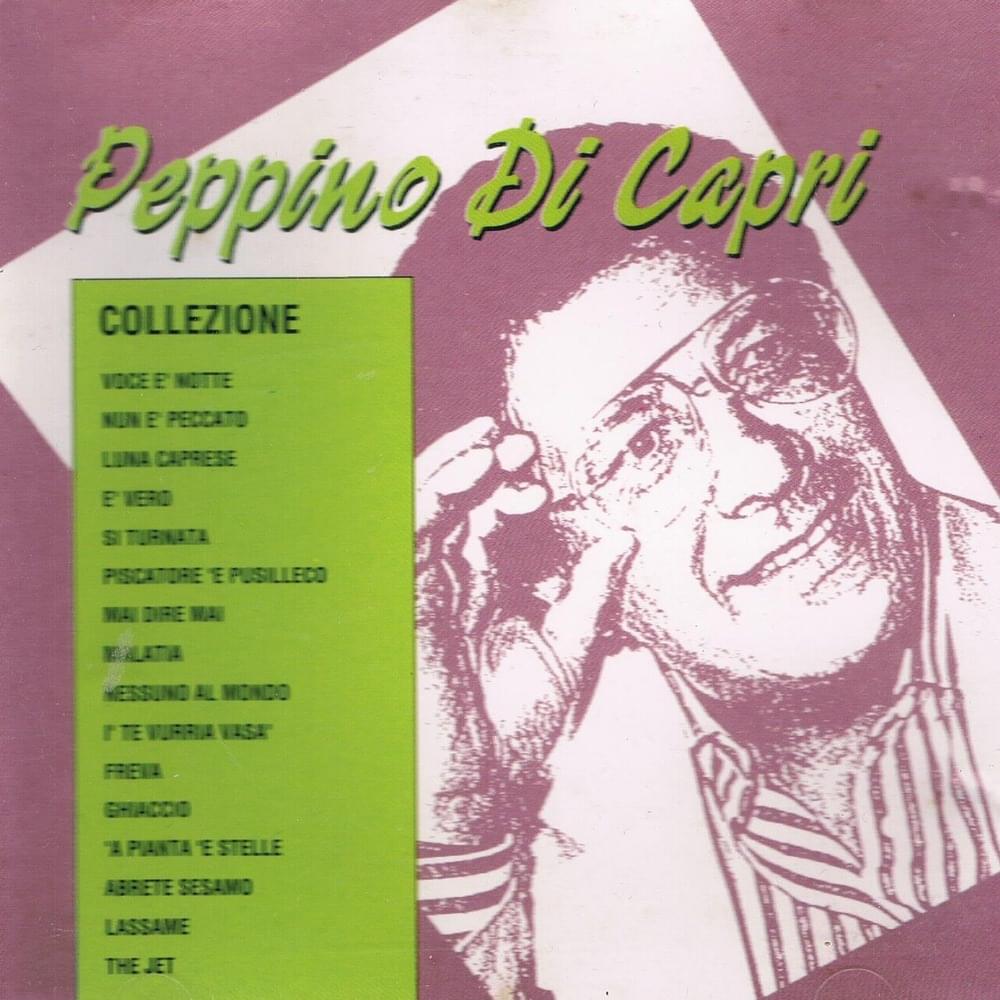
 View Artist