Song Meaning
The lyrics paint a picture of someone grappling with a recent separation, clinging to a fragile sense of independence while acknowledging the lingering presence of the past. The opening lines establish a somber mood, suggesting that even difficult nights will eventually pass, giving way to a new day, a 'domani.' Yet, this future is tinged with loneliness and uncertainty, as the narrator is alone while their former partner is 'who knows with whom.' The immediate emotional texture is one of resignation mixed with a defiant assertion of self-worth.
The central tension arises from the narrator's attempt to sever ties and reclaim agency. They've repeatedly tried to reconnect, only to be met with delays or indifference, leading to a firm decision: "You have to look for me now." This shift marks a turning point, a refusal to remain in a passive, waiting state. The repeated phrase "E se mi torni in mente, che vuoi che sia" (And if you come back to my mind, what does it matter) is a clear attempt to downplay lingering feelings, framing them as mere 'company' or 'nostalgia,' rather than deep-seated longing.
The most striking craft element is the subtle interplay between the narrator's declared indifference and the underlying vulnerability. They insist "I don't care at all" about what their former partner will do alone, and later, "It's not important to me" to know what they'll regret. However, the final stanza introduces a crack in this facade. The mention of the garden, a place that needs the former partner and has changed since they last saw it, suggests a shared past and a lingering connection to their presence. The parenthetical lines, possibly internal thoughts or external observations, hint at a deeper emotional reality for the other person, contrasting with the narrator's own stated contentment, which is ultimately undercut by the hesitant "But maybe tomorrow..."
This lyrical construction is effective because it captures the messy, contradictory nature of moving on. The narrator’s declarations of strength and indifference feel earned through their decision to stop seeking the other person, yet the lingering imagery of the garden and the final, uncertain utterance reveal the ongoing emotional process. The contrast between the spoken resolve and the implied wistfulness makes the narrator’s struggle feel authentic and deeply human, resonating with anyone who has tried to build a new life while still haunted by memories.
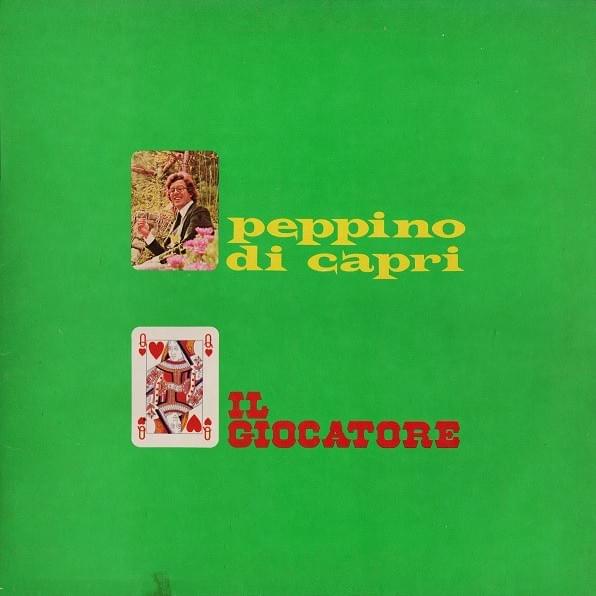
 View Artist