Song Meaning
The lyrics paint a picture of a budding romance that quickly encounters an external obstacle: the partner's father. The narrator recalls a chance meeting and the subsequent blossoming of love, setting a sweet, organic tone. This initial warmth is abruptly contrasted when the narrator meets the father, who seems to view the relationship through a transactional lens, attempting to "ricambiar" (reciprocate or repay) with "denaro" (money). This immediately establishes the core conflict: love versus wealth.
The central tension arises from the father's materialistic approach to the narrator's relationship with his child. The narrator directly confronts this, declaring, "Non si può comprar la felicità" (Happiness cannot be bought) and asserting that "l'amore mio non lo cambierà" (my love won't change it). This defiant stance highlights the narrator's commitment to genuine emotion over financial influence, creating a powerful pushback against the father's perceived attempt to control or undermine the relationship with his money.
A striking element is the shift in the narrator's perspective towards the partner in the third stanza. As time passes, the partner also begins to drift away, mirroring the external pressure. The narrator, however, finds solace in the enduring nature of their own feelings, stating, "Qualcosa mi resta che non muore mai" (Something remains with me that never dies). This suggests a personal resilience and a realization that even if the relationship falters, the genuine love experienced was real and lasting for the narrator.
What makes these lyrics resonate is the clear, direct confrontation of a relatable conflict. The narrator’s unwavering assertion that love is priceless, especially when juxtaposed with the father's implied offer of money, creates an emotional anchor. The final lines, urging the father to be told that happiness is not for sale and that the narrator's love is immutable, offer a sense of catharsis and self-respect, even as the relationship itself seems to be dissolving.
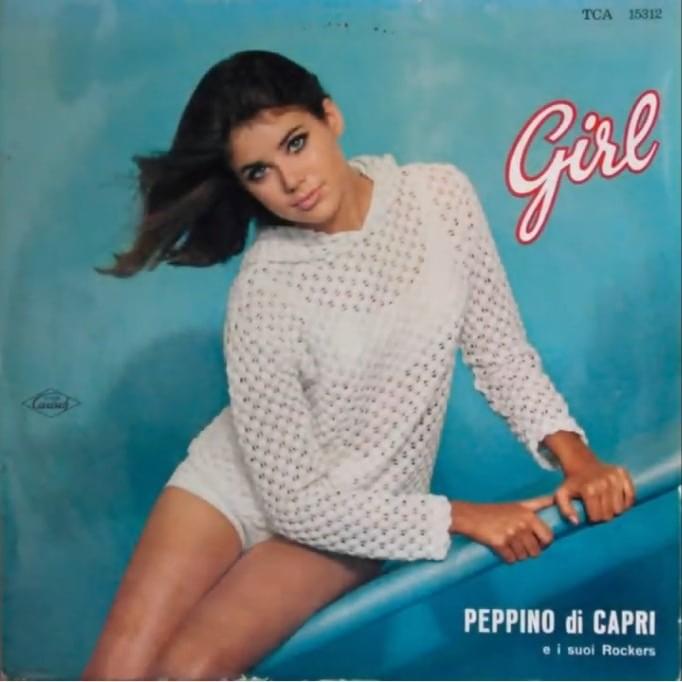
 View Artist