Song Meaning
The lyrics paint a stark picture of persistent, cold rain, a backdrop to a figure who is both ill and dying, yet continues to sing. This central image of a dying singer, enduring nine days of relentless downpour, immediately establishes a tone of somber endurance against overwhelming melancholy. The recurring phrase "chiove, chiove, chiove" emphasizes the inescapable, heavy atmosphere, making the act of singing feel like a defiant, almost miraculous, act of creation.
The core tension lies in the contrast between the external decay and the internal persistence of song. While the air grows cold, the sky darkens, and the subject is "murenno" (dying), their voice remains active, producing "canzone nove" (new songs). This isn't just about survival; it's about the generative power of art even in the face of absolute decline, suggesting that creation can persist where life itself falters.
The most striking element is the repeated identification of the singer as "'a canaria" (the canary) and "ll'ammore" (love). The canary, often used to test air quality in mines, becomes a metaphor for someone whose song signals danger or reveals the truth of their environment, even as they are succumbing to it. This figure of love, which sings new songs even when dying, elevates the act of singing from mere persistence to a profound expression of enduring affection or artistic spirit.
This juxtaposition of death and new creation, cold and song, makes the lyrics resonate deeply. The narrator's exclamations, "Ggiesù, ma comme chiove!" (Jesus, how it rains!), underscore the overwhelming nature of the external circumstances, highlighting the extraordinary resilience of the singing figure. It’s this persistent, beautiful defiance against a bleak, cold reality that gives the song its poignant power.
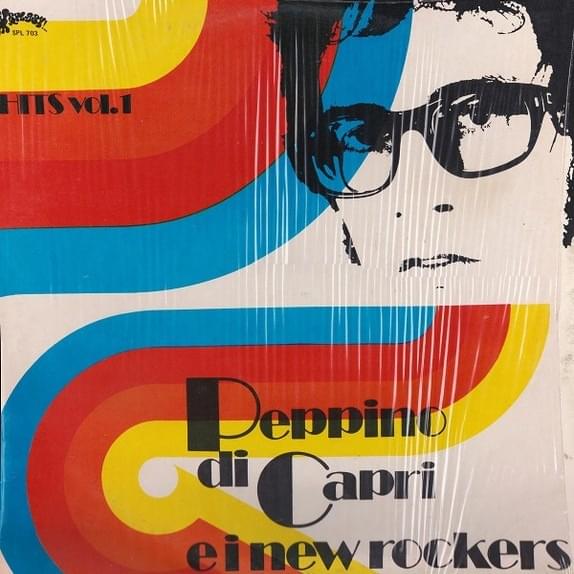
 View Artist